What makes Arizona’s climate so hard on air conditioning systems, and how should homeowners protect their investment? Arizona’s extreme heat puts extraordinary stress on air conditioning systems, making regular maintenance and early problem detection essential. Homeowners in the East Valley should schedule seasonal tune-ups before summer, replace air filters monthly during peak cooling months, monitor for warning signs like weak airflow or unusual noises, and understand when repair makes sense versus system replacement. Proper HVAC care in Arizona isn’t optional. It’s the difference between controlled comfort and a costly emergency breakdown when temperatures hit 110°F+.
If you live in Gilbert, Queen Creek, Apache Junction, or Mesa, you already know that summer isn’t a season. It’s an endurance test. The moment Memorial Day passes, your air conditioner becomes the most important appliance in your home. When it works, you barely notice it. When it fails, life stops. The difference between a system that coasts through summer and one that dies on the hottest day of the year comes down to how you care for it before problems hit. Start by exploring our air conditioning resources to understand the basics of what keeps your system running strong.
This guide walks you through everything you need to know: why Arizona is uniquely brutal on AC equipment, what maintenance actually matters, how to spot trouble early, and when it makes sense to repair versus replace. We’ll also cover what to look for when choosing an HVAC partner in the East Valley. The right technician makes all the difference when your family’s comfort is on the line.
Over 3,000 installs across the East Valley have taught us one thing: proactive care costs less and delivers more comfort than waiting for a breakdown. Let’s make sure your system is ready for whatever Arizona throws at it.
Why Arizona’s Climate Is Uniquely Hard on Air Conditioners
Your AC system faces conditions in Arizona that would break equipment in cooler climates within a single season. The combination of extreme heat, extended cooling demands, and environmental stress creates a perfect storm for wear and failure. Understanding why Arizona is so hard on air conditioners helps you see why the maintenance and care strategies that work in other states simply don’t cut it here.
Triple-Digit Temperatures and 6+ Month Cooling Seasons
Most of the country runs air conditioning for three or four months. In Arizona, your system operates from April through October, sometimes longer. That’s not just more runtime; it’s higher-intensity runtime. When outdoor temperatures climb past 110°F, your compressor works continuously to maintain indoor comfort, cycling far more often than systems in temperate climates. According to Carrier’s analysis of AC lifespan factors, air conditioners in extreme heat climates run 30 to 40 percent more hours per year than the national average, which accelerates wear on compressors, blower motors, and capacitors.
In our 3,000+ installs across the East Valley, we’ve seen firsthand that systems running in Gilbert and Queen Creek face 30 to 40 percent more cooling hours per year than the national average. This accelerates wear on compressors and blower motors. A system that might last 15 years in Colorado struggles to make it past 10 in Arizona. The constant high-load operation stresses every component. Capacitors fail more often. Refrigerant leaks develop sooner. Blower motors burn out faster. The extended cooling season isn’t just inconvenient; it fundamentally changes how you need to approach system care.
The temperature differential between indoors and outdoors also matters. When it’s 115°F outside and you’re trying to keep your home at 75°F, your system is working across a 40-degree gap. In milder climates, that gap might be 15 or 20 degrees. The larger the differential, the harder your compressor has to work, and the more energy the system consumes. Research from the EPA on stationary refrigeration systems shows that high ambient temperatures reduce system efficiency and increase the likelihood of refrigerant pressure issues, both of which shorten equipment life.
This is why spring preparation is critical. If your system enters summer with even minor inefficiencies (a dirty coil, a clogged filter, low refrigerant), those small problems compound under extreme load and turn into expensive failures by July. The window to catch and fix those issues is narrow, which is why scheduling a tune-up before Memorial Day makes such a difference. Our guide on why summer in Mesa demands fast AC repair explains exactly how triple-digit heat turns minor issues into major failures.
Dust, Monsoon Moisture Swings, and Airborne Debris
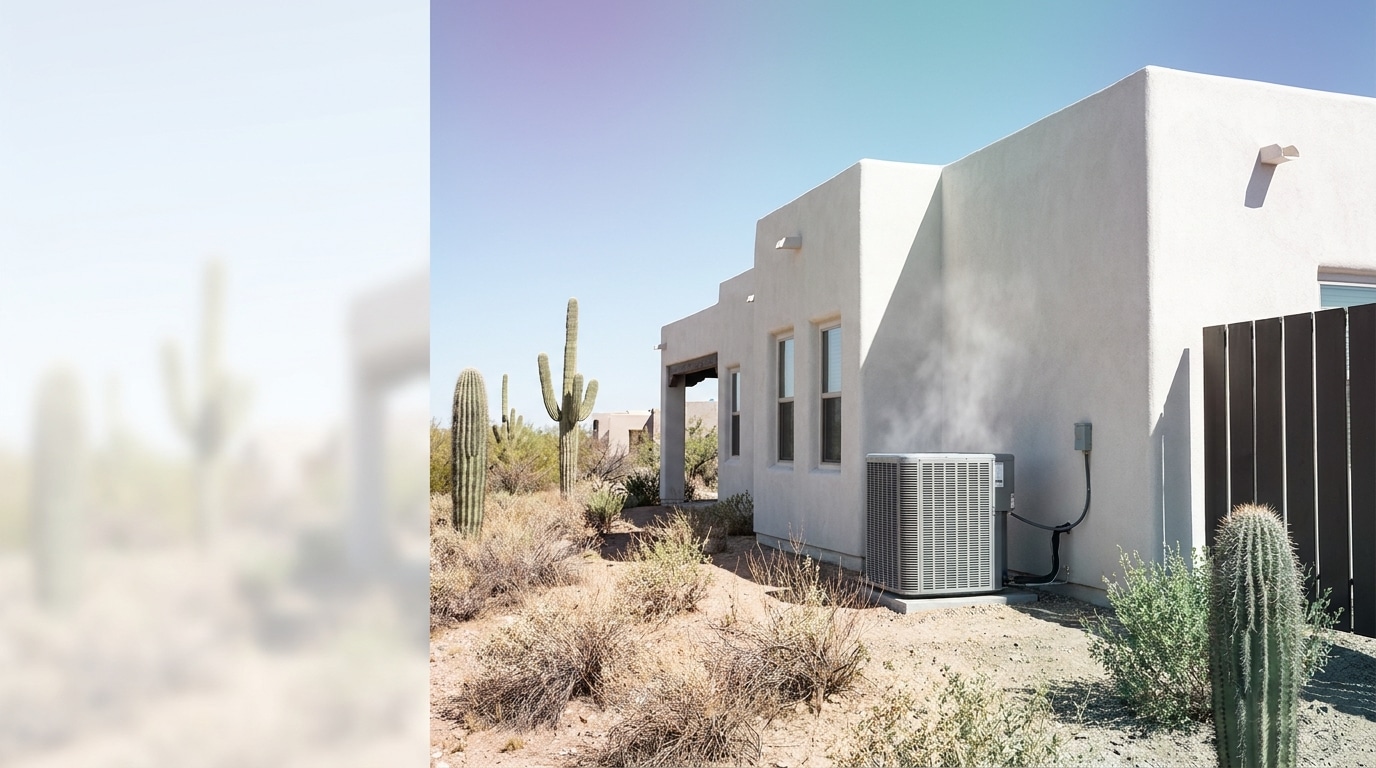
Arizona’s air quality adds another layer of stress. Dust storms, construction activity, and constant wind kick up fine particulate matter that gets pulled into your outdoor condenser unit and indoor return vents. Over time, dust builds up on condenser coils, reducing heat transfer efficiency. When your coils can’t shed heat effectively, your compressor has to work harder, which increases energy consumption and accelerates wear. According to ACCA’s standards on system quality, dirty coils are one of the most common preventable causes of reduced AC performance and premature failure in desert climates.
Monsoon season brings a different challenge: sudden humidity spikes and moisture infiltration. While Arizona is known for dry heat, monsoon storms introduce short bursts of high humidity and heavy rain. If your system has any leaks in the ductwork or around the air handler, moisture can infiltrate and create conditions for mold growth or corrosion. We’ve seen cases where a single monsoon season caused rust damage to an air handler that hadn’t been properly sealed. The moisture doesn’t stay long, but it only takes one heavy storm to start a problem that quietly worsens over months.
The combination of dust and moisture also affects your air filters. In temperate climates, a standard 1-inch filter might last 90 days. In Arizona, that same filter can become clogged in 30 days or less during peak dust season. A clogged filter restricts airflow, which forces your blower motor to work harder and reduces cooling efficiency. It also allows dust to bypass the filter and coat your evaporator coil, compounding the problem. Regular filter maintenance is the single most cost-effective thing homeowners can do to protect their systems in harsh climates.
Airborne debris isn’t limited to dust. Cottonwood seeds, tumbleweeds, and landscaping debris get sucked into outdoor units during windy periods. We’ve pulled entire nests, plastic bags, and clumps of vegetation out of condenser units during service calls. These obstructions block airflow, reduce efficiency, and in extreme cases, cause the system to overheat and shut down. Regular visual inspections of your outdoor unit (clearing debris, trimming back plants) are simple steps that prevent bigger problems.
The Arizona AC Maintenance Calendar: What to Do and When
Reactive maintenance in Arizona is expensive maintenance. The difference between a system that runs reliably all summer and one that fails in July comes down to following a seasonal calendar. Here’s what needs to happen, and when, to keep your system in top shape year-round. Check out our air conditioning maintenance services for professional support on these tasks.
Spring: Pre-Summer Tune-Up and System Health Check
Spring is your last opportunity to catch problems before the heat hits. A professional tune-up in April or early May gives your technician time to address issues before your system is under full load. According to ENERGY STAR’s maintenance checklist, seasonal maintenance is the single most effective way to prevent HVAC breakdowns and extend system life. What does a proper spring tune-up include? Your technician should check refrigerant levels, clean both the evaporator and condenser coils, inspect electrical connections, test capacitors, verify thermostat calibration, and measure airflow across the evaporator. These aren’t optional extras; they’re the baseline for keeping your system running efficiently.
Low refrigerant is one of the most common issues we find during spring inspections. If your system is even half a pound low, it won’t cool efficiently when temperatures climb past 110°F. The compressor will run longer to achieve the same temperature, which increases energy costs and accelerates wear. Catching a refrigerant leak in May and repairing it costs a fraction of what you’ll pay for a compressor replacement in August. Dirty coils are the other frequent culprit. A coil cleaning in spring can improve system efficiency by 15 to 20 percent, which translates directly to lower energy bills and less strain on the compressor.
Capacitors also deserve attention. These small components store the electrical charge needed to start your compressor and blower motor. In Arizona’s heat, capacitors degrade faster than in cooler climates. A weak capacitor can cause hard starting, which stresses the compressor and increases the risk of a mid-summer failure. Testing capacitors takes minutes, and replacing a failing capacitor in spring costs around $150 to $250. Waiting until it fails completely and takes out your compressor costs thousands. If you’re wondering whether spring is too early to think about AC prep, read our guide on spring tune-up timing to see why April beats June every time.
The spring tune-up also gives you a baseline for system performance. Your technician can document amperage draw, refrigerant pressures, and airflow measurements. If something changes during the summer, those baseline numbers make diagnosis faster and more accurate. Think of the spring tune-up as your system’s annual physical: it catches small problems early and gives you confidence heading into the season when your AC matters most. For a complete look at how to prepare your system for Gilbert’s extreme summer, see the smart way to prep AC for Gilbert’s summer.
When we perform seasonal inspections, we find that 60 percent or more of East Valley systems are running with clogged filters or dirty coils. Both force the compressor to work harder, which increases energy costs and shortens equipment life. Addressing these issues in spring, before the heat arrives, prevents mid-summer failures and keeps your system running efficiently when you need it most.
Our service data shows that homeowners who schedule spring tune-ups before Memorial Day reduce emergency breakdown calls by more than half during peak summer months. That’s not marketing; that’s what happens when you catch small problems before they cascade into expensive failures.
Summer: Monthly Filter Changes and Performance Monitoring
Once summer starts, your focus shifts to monitoring and basic upkeep. The most important task is also the simplest: change your air filter every 30 days. In Arizona’s dusty environment, filters clog faster than anywhere else. A clogged filter reduces airflow, which forces your blower motor to work harder and reduces cooling efficiency. It also allows dust to bypass the filter and coat your evaporator coil, creating a compounding problem. Set a recurring reminder on your phone for the first of every month from May through September. Keep a box of filters on hand so you never skip a month.
Beyond filters, pay attention to how your system is performing. Walk outside and listen to your condenser unit. It should run smoothly, without grinding, squealing, or banging noises. Check the airflow from your vents. It should feel strong and consistent across all rooms. If one room suddenly feels warmer than the rest, that’s a sign of a ductwork issue or a failing damper. Monitor your energy bills. If your usage spikes without a corresponding increase in temperature settings or occupancy, your system is working harder than it should, which usually means something is wrong.
Clear debris from around your outdoor unit at least once a month. Trim back any plants or shrubs within two feet of the condenser. Make sure the area is free of leaves, cottonwood seeds, and landscaping clippings. Good airflow around the condenser is essential for heat dissipation. If the unit is boxed in by plants or debris, it can’t shed heat efficiently, which forces the compressor to work harder.
If you notice anything unusual (weak airflow, strange noises, uneven cooling, or rising bills), don’t wait. Call a technician. Summer breakdowns happen because small problems are ignored until they cascade into major failures. A $200 service call in June beats a $3,000 compressor replacement in August.
Fall: Post-Summer Inspection and Heating Prep
Once temperatures drop below 100°F consistently (usually late September or early October), schedule a post-summer inspection. Your system just finished six months of hard work. A fall checkup catches any damage or wear that developed during the cooling season and prepares your system for the heating months ahead. Your technician should inspect the blower motor, check for refrigerant leaks that may have developed under load, clean the evaporator coil if needed, and test your heating components (heat strips or heat pump reversing valve) to make sure they’re ready when you need heat.
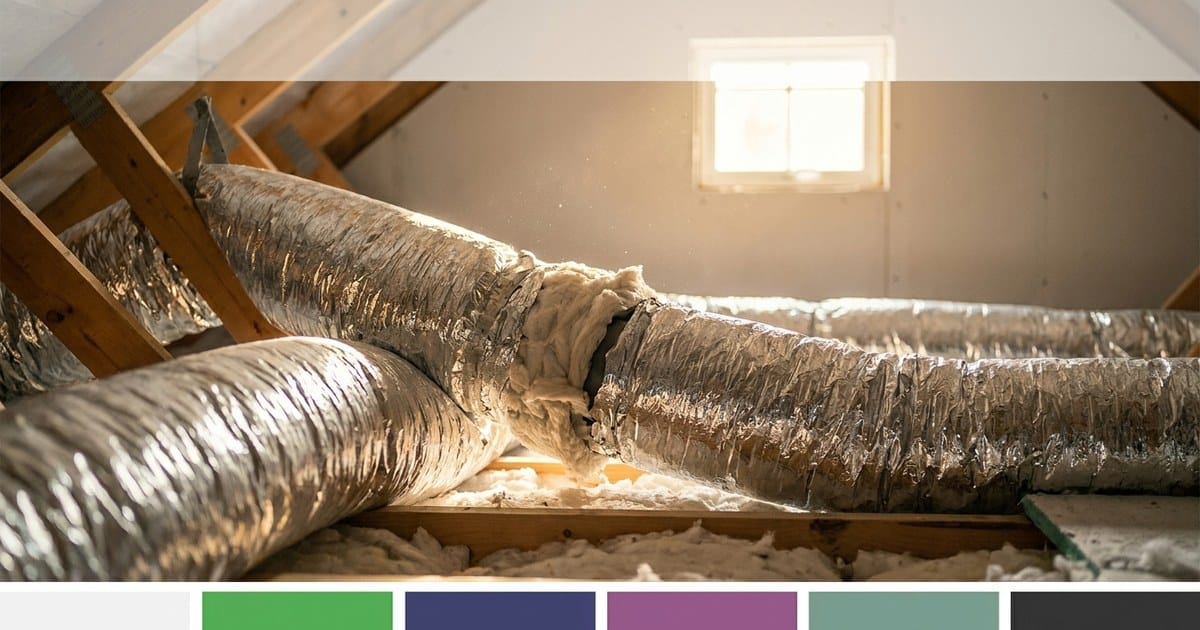
Fall is also a good time to inspect your ductwork for leaks. Leaky ducts waste energy year-round, but they’re easier to detect in fall when the system isn’t running at full load. Sealing duct leaks can improve system efficiency by 20 percent or more, which saves money on both cooling and heating. If your ducts run through an attic or crawlspace, ask your technician to check the insulation as well. Poorly insulated ducts lose conditioned air before it reaches your living spaces.
The fall inspection gives you a clear picture of your system’s condition heading into the next year. If components are nearing the end of their lifespan, you have time to plan for replacement before the next cooling season. If everything looks good, you can relax knowing your system made it through another Arizona summer without major issues. Think of fall as your system’s post-season debrief: it’s when you assess what worked, what didn’t, and what needs attention before the cycle starts again.
Warning Signs Your AC Needs Professional Attention Now
Most AC failures don’t happen out of nowhere. They give you warning signs, sometimes subtle, sometimes obvious. Learning to recognize these red flags and acting on them early is the difference between a minor repair and a major breakdown. Here’s what to watch for and what each sign typically means. If you’re experiencing any of these issues, our guide on whether you really need professional AC repair in Mesa explains what to do when your system starts showing red flags.
Weak Airflow or Uneven Cooling Across Rooms
If the air coming from your vents feels weak, or if some rooms cool properly while others stay warm, your system is struggling. Weak airflow usually points to one of three problems: a clogged air filter, a failing blower motor, or ductwork issues (leaks, crushed ducts, or closed dampers). A clogged filter is the easiest fix. Replace it and see if airflow improves. If the filter is clean and airflow is still weak, the blower motor may be failing or the blower wheel may be clogged with dust.
Uneven cooling across rooms suggests a ductwork problem. If one room is consistently warmer than the rest, there’s likely a leak in the duct serving that room, a closed damper, or insufficient insulation around the duct run. Ductwork issues are harder to diagnose without professional tools, but they’re also straightforward to fix once identified. Sealing leaks and balancing airflow can restore even cooling and improve overall efficiency.
Weak airflow also reduces your system’s ability to dehumidify. Even in Arizona’s dry climate, indoor humidity matters. If your system can’t move enough air across the evaporator coil, it won’t remove moisture effectively, which can make your home feel clammy even when the temperature is set correctly. Don’t ignore weak airflow. It’s a sign that your system is working harder than it should, which accelerates wear and drives up energy costs.
Unusual Noises: Grinding, Squealing, Banging
Your AC should run relatively quietly. A low hum from the outdoor unit and a gentle whoosh from the vents is normal. Grinding, squealing, banging, or rattling noises are not. Each type of noise points to a different problem. Grinding usually indicates a failing blower motor bearing or a problem with the compressor. Squealing suggests a worn belt (on older systems) or a failing blower motor. Banging or clanking often means a loose component inside the air handler or condenser: a mounting bracket, a fan blade, or debris that got sucked into the unit.
Don’t ignore strange noises. They rarely go away on their own, and they usually get worse. A squealing blower motor that’s caught early might need a simple bearing replacement. If you wait until it seizes completely, you’re looking at a full motor replacement. A loose fan blade that’s making a rattling sound can break off and damage other components if it’s not secured.
If you hear a grinding noise from the outdoor unit, turn the system off immediately and call a technician. Grinding from the compressor can indicate internal damage, and running the system in that condition can turn a repairable problem into a complete compressor failure. Compressors are expensive, often $1,500 to $2,500 for the part and labor, so catching a problem early matters. Strange noises are your system’s way of telling you something is wrong. Listen.
Short Cycling or Constant Running
Short cycling means your system turns on, runs for a few minutes, shuts off, then turns back on again shortly after. This on-off-on pattern is inefficient, uncomfortable, and hard on your equipment. Short cycling is usually caused by an oversized system, a failing thermostat, low refrigerant, or a dirty evaporator coil. An oversized system cools the air near the thermostat too quickly, triggering a shutdown before the rest of the house reaches temperature. A failing thermostat gives incorrect temperature readings, causing premature shutdowns. Low refrigerant reduces cooling capacity, so the system cycles more frequently to try to maintain temperature. A dirty coil restricts airflow, which causes the evaporator to freeze, triggering a safety shutdown.
Constant running is the opposite problem: the system never shuts off, even when the thermostat reaches setpoint. This usually means the system is undersized for the space, there’s a refrigerant leak, the thermostat is miscalibrated, or the outdoor temperature is so extreme that the system simply can’t keep up. In Arizona, constant running during a 115°F day isn’t necessarily a sign of failure. Your system may be doing everything it can. But if your AC runs nonstop on a 95°F day, something is wrong.
Both short cycling and constant running increase energy costs and accelerate wear. Short cycling is particularly hard on the compressor, because the compressor experiences the most stress during startup. The more frequently it cycles, the shorter its lifespan. If you notice either pattern, call a technician to diagnose the root cause. It might be as simple as thermostat recalibration or as complex as a refrigerant leak, but you won’t know until a professional measures system performance.
Rising Energy Bills with No Usage Change
If your energy bill spikes without a corresponding change in temperature settings, occupancy, or weather patterns, your AC is working harder than it should. This usually indicates reduced efficiency caused by a dirty coil, low refrigerant, a failing capacitor, or ductwork leaks. When your system loses efficiency, it has to run longer to achieve the same cooling, which shows up directly in your energy costs. A 20 percent increase in your summer electric bill can signal a 20 percent drop in system efficiency, and that inefficiency is costing you money every day you wait to address it.
Compare your current bill to the same month last year. If usage is significantly higher and nothing else has changed (no new appliances, no change in occupancy, no extended heat wave), your AC is the likely culprit. Dirty coils are the most common cause of efficiency loss. A coil cleaning can restore 10 to 20 percent of lost efficiency, which pays for itself in lower energy costs within a few months. Low refrigerant is the other frequent issue. If your system is a pound or two low, it will run longer to achieve setpoint, which drives up runtime and costs.
Don’t assume rising bills are just the price of summer in Arizona. While cooling costs are always higher in summer, a sudden spike is a red flag. Call a technician to measure system performance and identify the cause. Fixing the underlying issue will save you money every month for the rest of the season.
Moisture or Ice Buildup on the Unit
If you see moisture, condensation, or ice on your indoor air handler or refrigerant lines, your system has a problem. Ice buildup on the evaporator coil or refrigerant lines is usually caused by restricted airflow (dirty filter, clogged coil, closed vents) or low refrigerant. When airflow is restricted, the evaporator coil gets too cold and freezes. When refrigerant is low, the evaporator also freezes because there isn’t enough refrigerant to absorb heat. Either way, ice is a sign that something is wrong.
Moisture around the indoor unit can indicate a clogged condensate drain line. Your AC produces condensation as it removes humidity from indoor air, and that water drains out through a condensate line. If the line gets clogged with algae or debris, water backs up and can overflow into the air handler or onto the floor. A clogged drain line is a simple fix (usually a flush with a wet/dry vacuum or a condensate line treatment), but if ignored, it can cause water damage to your home or create conditions for mold growth.
If you see ice, turn the system off and let it thaw completely before restarting. Running the system with ice on the coil can damage the compressor. Once it’s thawed, check the air filter. If the filter is clogged, replace it and see if the problem recurs. If the filter is clean and ice comes back, you likely have a refrigerant leak or a more serious airflow restriction, and you need a professional diagnosis. Don’t ignore moisture or ice. Both are early warning signs of problems that will get worse if left untreated.
Repair vs. Replace: How to Know When Your System Has Reached the End
The hardest decision most homeowners face is whether to repair an aging system or replace it. There’s no universal answer, but there are clear criteria that make the decision easier. Here’s how to think through the repair-versus-replace question when your AC starts showing its age. For a broader look at HVAC system decisions, explore our HVAC system resources.
The Age Threshold: When 10+ Year Systems Start Failing More Often
Air conditioners in Arizona typically last 10 to 12 years with proper maintenance. Systems in milder climates can stretch to 15 years or more, but the extended cooling season and extreme heat in Arizona shorten that lifespan. According to information from the National Home Repair Authority on HVAC repair and replacement, systems in extreme heat climates experience higher failure rates after the 10-year mark due to cumulative stress on compressors and motors. If your system is 10 years old or older, every repair decision should factor in remaining lifespan. A $500 repair on a 7-year-old system is a good investment. The same repair on a 13-year-old system might be throwing money at a unit that’s going to fail within a year or two anyway.
When we perform service calls on systems older than 10 years, we give homeowners an honest assessment: how many years of reliable operation can you reasonably expect from this unit, and does that make the repair cost worthwhile? If your 11-year-old system needs a $600 blower motor replacement and we expect it to run reliably for another three to four years, that’s a reasonable repair. If the same system needs an $1,800 compressor replacement and we’re not confident it will make it through two more summers, replacement starts to make more sense.
Age alone isn’t a reason to replace. A well-maintained 12-year-old system that’s running efficiently and hasn’t had major repairs can keep going. But once you cross the 10-year threshold, start thinking about replacement as a near-term reality. Budget for it. Get quotes. Understand your options. That way, if the compressor fails on a 115°F day, you’re not making a rushed decision under pressure.
R-22 Refrigerant Systems and the Cost of Outdated Technology
If your system uses R-22 refrigerant (often called Freon), you’re operating on borrowed time. The EPA phased out R-22 production in 2020 due to environmental concerns, and the cost of remaining R-22 stock has skyrocketed. According to the EPA’s guidance on phasing out HCFC refrigerants, the EPA phased out R-22 refrigerant production in 2020, making repairs on older systems more expensive and replacement inevitable. If your system has a refrigerant leak and needs a recharge, you could be looking at $100 to $150 per pound for R-22, compared to $50 to $75 per pound for R-410A, the modern replacement refrigerant.
Most systems use two to four pounds of refrigerant, so a full recharge on an R-22 system can cost $400 to $600 just for the refrigerant, not including labor or leak repair. If you’re facing a major refrigerant leak on an R-22 system, replacement makes more financial sense than repair. You’ll spend less upfront to install a new R-410A system, and you’ll avoid the ongoing cost and scarcity issues of R-22. Carrier’s overview of R-410A refrigerant shows that modern R-410A systems are 20 to 30 percent more energy-efficient than R-22 units, reducing cooling costs over the system’s lifespan.
R-22 systems were installed up until 2010, so if your system is 14 years old or older, there’s a good chance it uses R-22. You can check the label on your outdoor unit or ask your technician. If you’re running an R-22 system, start planning for replacement. You might get another year or two out of it if it’s leak-free, but the moment you need refrigerant, the math tips heavily toward replacement.
The 50% Rule: Repair Cost vs. Replacement Cost
The industry rule of thumb is simple: if the repair cost exceeds 50 percent of the replacement cost, and the system is 10 years or older, replace it. For example, if a new system costs $6,000 installed, and your 12-year-old unit needs a $3,500 compressor replacement, the 50 percent rule says replace. You’re spending more than half the cost of a new system to extend the life of an aging unit by maybe two or three years. That’s a bad investment.
The 50 percent rule accounts for both the immediate cost and the opportunity cost of not upgrading. A new system comes with a manufacturer’s warranty (usually 10 years on parts), a labor warranty from your installer (often one to two years), and significantly better energy efficiency. According to insights on HVAC system certifications and standards from Air Repair Authority, modern systems use 20 to 30 percent less energy than 10-year-old units, which translates to lower monthly bills for the entire lifespan of the new system. When you factor in warranty coverage, efficiency gains, and the likelihood of additional repairs on an aging system, spending 50 percent or more of replacement cost on a repair rarely makes sense.
There are exceptions. If your system is only six or seven years old and needs a major repair, the 50 percent rule doesn’t apply. Repair it. If your system is 11 years old but has been meticulously maintained and is running efficiently, a repair below the 50 percent threshold might buy you two or three more good years. But if you’re at or above the 50 percent threshold and your system is past its expected lifespan, replacement is almost always the smarter financial decision. For homeowners considering upgrades or new installations, our mini split installation guide walks through one modern, energy-efficient alternative to traditional central AC systems.
Choosing the Right HVAC Partner in the East Valley
The technician you call when your AC fails matters as much as the equipment itself. A good HVAC partner keeps your system running reliably, gives you honest advice, and doesn’t pressure you into unnecessary upgrades. A bad one costs you money, time, and comfort. Here’s what to look for when choosing an HVAC contractor in Gilbert, Queen Creek, Apache Junction, or Mesa.
What to Look For: Licensing, BBB Rating, Transparent Pricing
Start with the basics: make sure your contractor is licensed by the Arizona Registrar of Contractors (ROC). A valid ROC license means the contractor has met minimum insurance, bonding, and competency requirements. You can verify a license on the ROC website in under a minute. If a contractor isn’t licensed, walk away. No exceptions. Next, check their Better Business Bureau rating. An A+ or A rating indicates a track record of resolving customer complaints and delivering quality work. A lower rating or a pattern of unresolved complaints is a red flag. Online reviews (Google, Yelp, Facebook) also matter, but look for patterns, not individual outliers. Every contractor gets an occasional bad review; what matters is how they respond and whether the overall trend is positive.
Transparent pricing is non-negotiable. A professional contractor should give you a clear estimate before starting work. That estimate should break down parts, labor, and any additional fees (trip charges, after-hours rates, diagnostic fees). If a contractor gives you a vague range or refuses to commit to a price until after the work is done, find someone else. Hidden fees and surprise charges are the hallmark of a contractor you can’t trust. We’ve been serving the East Valley with transparent pricing and upfront estimates for years, and we’ve built our reputation on never surprising customers with a bill they didn’t expect.
Ask about warranties. A reputable contractor will offer a labor warranty on repairs (typically one year) and will honor manufacturer warranties on parts. If a contractor won’t stand behind their work, that tells you everything you need to know. Transparency, licensing, and accountability are the baseline. If a contractor doesn’t meet these standards, keep looking.
At JLM Air Conditioning & Heating, we hold an A+ BBB rating and maintain full ROC licensing. We’ve completed over 3,000 installations across the East Valley using premium equipment like Amana systems, and every job comes with transparent pricing and a clear warranty. No hidden fees, no surprises.
Why Owner-Led Service Matters (vs. Franchise Call Centers)
When you call a national HVAC franchise, your call goes to a corporate call center. You’re assigned to whichever technician is available, and you have no direct line to the person making decisions about your service. When you call an owner-led company, you’re talking to the person who’s accountable for the quality of the work. That difference matters. At JLM Air Conditioning & Heating, Bill is on the job alongside the team. He’s not in a corporate office reviewing spreadsheets. He’s the one answering the phone, diagnosing your system, and making sure the work is done right.
Owner-led service means faster decisions, more flexibility, and a personal stake in your satisfaction. If something goes wrong, you can talk directly to the owner. You’re not navigating a corporate bureaucracy or waiting for a callback from a regional manager. The owner’s reputation is on the line with every job, which creates a level of accountability that franchise models simply can’t match. It also means you’re working with someone who lives in your community, understands East Valley homes, and has a long-term interest in your satisfaction. Referrals and repeat business are the lifeblood of owner-led companies. We don’t have a marketing budget the size of a national franchise; we rely on word-of-mouth and customer trust. That creates an incentive to do right by you every time.
Franchise models aren’t inherently bad, but they prioritize volume and standardization over relationships. You’re a ticket number, not a neighbor. If you value personal accountability, direct communication, and working with someone who’s invested in your long-term comfort, choose an owner-led HVAC partner. For specialized installations that benefit from owner-led expertise, see mini split installation in Gilbert and what sets local, hands-on service apart.
The Value of 24/7 Emergency Response and Same-Day Service
In Arizona, AC failures don’t wait for business hours. When your system dies on a Saturday night in July, you need help now. That’s why 24/7 emergency response matters. A contractor who offers true 24/7 service (not just an answering service that schedules you for Monday morning) can get you back online fast, which makes the difference between a miserable night and restoring comfort within hours. We offer 24/7 emergency service across the East Valley because we know that breakdowns don’t follow a schedule. When you call us at 2 a.m., you get a live person who can dispatch a technician, not a voicemail.
Same-day service availability is equally important for non-emergency situations. If your system is struggling but hasn’t failed completely, waiting three or four days for an appointment gives that small problem time to turn into a major breakdown. Industry analysis on HVAC trends to watch in 2024 from Service Experts shows that homeowners increasingly value fast response times as a key differentiator when choosing HVAC contractors. We’ve built our business around same-day response because we’ve seen too many cases where a customer called another company, got scheduled four days out, and ended up with a compressor failure by the time the technician arrived. Fast response saves you money and discomfort.
Not every contractor offers true 24/7 service or same-day availability. Some advertise it but only deliver during business hours. Ask directly: if my AC fails at midnight on a Sunday, how long until a technician arrives? If the answer is vague or conditional, find a contractor who can commit. When your family’s comfort is on the line, speed matters. For smaller cooling needs beyond traditional whole-home systems, our garage AC options guide explores flexible solutions that don’t require major ductwork modifications.
Conclusion: Take Control Before the Heat Does
Arizona’s climate doesn’t give you room for complacency. Your air conditioner is the most important appliance in your home for six months of the year, and the difference between reliable performance and a costly breakdown comes down to how you care for it before problems hit. Schedule seasonal tune-ups in spring. Change your filters monthly. Watch for warning signs. Know when to repair and when to replace. And choose an HVAC partner you can trust when you need help. For ongoing tips and seasonal guidance, visit our blog for HVAC updates tailored to East Valley homeowners.
Proactive care costs less and delivers more comfort than waiting for a breakdown. A spring tune-up that costs $150 can prevent a $2,000 compressor failure in July. A $20 air filter changed on schedule protects your blower motor and keeps your energy bills in check. Resources like Jupit Air HVAC’s guide to Texas HVAC consumer protection and your rights underscore that paying attention to how your system sounds and performs gives you the early warning you need to address issues before they cascade. You can’t control Arizona’s heat, but you can control how prepared your AC is to handle it.
We’ve installed and serviced over 3,000 systems across the East Valley, and we’ve learned one thing above all: the homeowners who stay ahead of their AC maintenance spend less, stay more comfortable, and avoid the stress of emergency breakdowns. Insights from iDesign AC on tips for finding the right AC repair technician confirm that if your system is overdue for service, if you’re hearing strange noises, or if you’re just not sure whether your AC is ready for another summer, we’re here to help. No pressure, no upselling, just honest guidance from a family-owned company that lives and works in your community.
Ready to schedule your seasonal tune-up or get a free consultation on your system? Call JLM Air Conditioning & Heating at 602-619-3609 or visit our contact page to book same-day service across the East Valley.