
What makes a good HVAC contractor? A good HVAC contractor holds active state licensing, carries liability and workers’ comp insurance, provides transparent written estimates with no hidden fees, and has verifiable customer reviews. They explain what’s needed without pressuring unnecessary upgrades, respond quickly to emergency calls, and stand behind their work with warranties.
When your AC dies during a Phoenix-area heat wave, or you wake up to a furnace that won’t light, the pressure to hire someone (anyone) can override better judgment. But choosing the wrong HVAC contractor costs more than money. It can mean failed repairs that break down weeks later, voided manufacturer warranties, code violations that surface during home sales, or worse: safety hazards from improper refrigerant handling or electrical work.
The East Valley HVAC market is crowded. Some contractors are licensed professionals who stand behind their work. Others cut corners, pressure you into unnecessary equipment, or disappear after the job. This guide maps the green lights that signal competence and the red flags that should send you looking elsewhere, so you can make a confident choice before requesting estimates. For more insights on maintaining your system year-round, explore our Blog | HVAC Tips & Updates for Gilbert, AZ Residents.
Why Contractor Selection Matters More Than You Think
Poor contractor choice doesn’t just waste money on the front end. It cascades. A botched repair means the system fails again weeks later, often during the worst possible weather. An unlicensed installation voids your manufacturer’s warranty, turning a covered component failure into a full out-of-pocket replacement. Improper refrigerant handling creates leaks or environmental violations. Sloppy electrical connections pose fire risks.
According to Air Conditioning Distributors’ 2024 HVAC Trends Report, homeowners cite contractor reliability and transparency as their top concerns when choosing HVAC service (ahead of price). The stakes are comfort, safety, and long-term cost. Arizona summers don’t forgive a system that fails mid-July because a contractor skipped load calculations or used undersized ductwork.
The HVAC industry continues to grow, which means more contractors enter the market every year. Some are qualified professionals. Others are unlicensed operators or high-pressure sales teams trained to upsell equipment you don’t need. The difference between a good contractor and a bad one isn’t obvious from a Google ad or a yard sign. It shows up in licensing, insurance, pricing transparency, and how they communicate.
Green Light #1: Active State Licensing and Certifications
In Arizona, HVAC contractors must hold an active Registrar of Contractors (ROC) license to perform installation, repair, or replacement work on residential systems. The license confirms the contractor has met state requirements for experience, financial responsibility, and technical competence. Any technician handling refrigerants must also hold EPA Section 608 certification, which ensures they understand safe refrigerant handling and environmental regulations.
Licensing requirements vary significantly by state, and some jurisdictions don’t mandate licensing at all, which makes verification critical when you’re comparing contractors. Arizona’s ROC system exists to protect consumers. Licensed contractors post bonds and carry insurance minimums, and the state can discipline or revoke licenses for fraud, negligence, or code violations. Unlicensed contractors have no such accountability.
When you request an estimate, ask for the contractor’s ROC license number. Then verify it yourself on the Arizona Registrar of Contractors website (azroc.gov). The lookup tool shows license status (active, suspended, expired), complaint history, and any disciplinary actions. If a contractor hesitates to provide a license number or claims their license is “in process,” walk away. Operating without an active license is illegal in Arizona, and hiring an unlicensed contractor leaves you with zero recourse if the work fails or causes damage.
HVAC licensing standards are designed to ensure competence, but they’re only effective when enforced. Good contractors display their ROC license number on their website, trucks, and business cards because it’s a badge of credibility. They expect you to verify it. Contractors who dodge the question or provide vague answers about their licensing status are signaling a problem before the work even begins.
The EPA requires certification for refrigerant handling, and qualified technicians carry their Section 608 card. If your job involves refrigerant work (which most AC repairs and installations do), ask to see the tech’s certification. It’s a small detail that separates professionals from operators who cut corners.
What Licenses Should an HVAC Contractor Have in Arizona?
At minimum: an active ROC license in the appropriate classification (CR-39 for residential HVAC, or a more specific commercial classification if the job requires it) and EPA Section 608 certification for any technician touching refrigerant. Bonus signals include NATE (North American Technician Excellence) certification, which indicates advanced training in specific equipment types, and manufacturer certifications (Carrier, Trane, Amana, etc.), which demonstrate the contractor is authorized to install and warranty that brand’s equipment.
How to Verify a Contractor’s License Online
Go to azroc.gov and use the “License Lookup” tool. Enter the contractor’s business name or license number. The results page shows license status, issue date, expiration date, bond and insurance status, and any complaints or disciplinary actions. If the license is expired, suspended, or shows multiple unresolved complaints, consider that a red flag. The lookup is public, free, and takes less than two minutes.
Green Light #2: Transparent Pricing and Written Estimates
Good contractors provide detailed, itemized written estimates before starting work. The estimate should specify labor costs, equipment and parts (with model numbers if applicable), permit fees if required, and any optional add-ons. It should state what’s covered under warranty and what isn’t. Most importantly, it should include no hidden fees or surprise charges. If the scope changes mid-job, a professional contractor explains why and provides a revised written estimate before proceeding.
Transparent pricing builds trust. When you know exactly what you’re paying for, you can compare estimates apples-to-apples and make an informed decision. Vague verbal quotes like “probably around three grand” or “we’ll see when we open it up” leave room for the final bill to balloon. Contractors who refuse to put estimates in writing are either inexperienced or intentionally keeping the door open to charge more later.
Service quality and pricing transparency are closely linked. Contractors who price transparently tend to have fewer disputes, higher customer satisfaction, and more repeat business. They’re not afraid to document their work because they stand behind it. At JLM, transparent pricing is a core principle. Our estimates break down every cost. We explain what’s needed, what’s optional, and why, so you can make the decision that fits your budget and comfort goals.
A transparent estimate also protects you from upselling. If a contractor quotes a full system replacement but your unit only needs a $400 capacitor and a refrigerant recharge, a written breakdown makes that clear. You can get a second opinion without feeling locked in. Contractors who lead with transparency don’t need high-pressure tactics because their pricing and recommendations speak for themselves.
Beware of estimates that omit key details. If labor is listed as “TBD” or parts are described generically (“condenser parts”), ask for specifics. If the contractor can’t or won’t provide them, that’s a signal they’re not confident in their pricing or they’re planning to adjust it later. Written estimates should feel like a contract, not a placeholder.
Green Light #3: Liability Insurance and Workers’ Comp Coverage
If a technician is injured on your property, or if the contractor damages your home during installation or repair, you need to know who’s liable. Licensed contractors carry general liability insurance (which covers property damage) and workers’ compensation insurance (which covers employee injuries). If the contractor doesn’t have both, you could be held financially responsible for injuries or damages that occur during the job.
Before hiring, ask for a certificate of insurance. The certificate should show current coverage, the insurer’s name, policy numbers, and coverage limits. Don’t accept verbal assurances like “we’re covered” or “the company has insurance.” If the contractor can’t produce proof within 24 hours, assume they’re uninsured and move on. Legitimate contractors keep certificates on hand because customers ask for them regularly.
Workers’ comp is especially critical. HVAC work involves ladders, heavy equipment, refrigerant, and electrical systems. Injuries happen. If a contractor’s employee is hurt and the contractor has no workers’ comp coverage, the injured worker can sue you as the property owner. That risk alone should be enough to require proof of coverage before work begins.
Some contractors operate as sole proprietors or use subcontractors, and they may claim they don’t need workers’ comp because they have no employees. That may be technically true in some states, but it doesn’t eliminate your liability risk if they’re injured. Ask whether the contractor is a sole proprietor, and if so, ask for a signed waiver acknowledging they’re uninsured. Better yet, prioritize contractors who carry full coverage regardless of business structure.
Insurance also signals professionalism. Contractors who invest in liability and workers’ comp coverage are running legitimate businesses. They have something to lose if they perform substandard work, which makes them more accountable. Fly-by-night operators skip insurance because they don’t plan to be around long enough for it to matter.
Green Light #4: Verifiable References and Online Reviews
Word-of-mouth and online reviews are your best window into how a contractor treats customers after the sale. Look for recent reviews (within the past 12 months) on Google, Yelp, and the Better Business Bureau. Pay attention to patterns, not one-off complaints. Does the contractor respond to negative reviews professionally, or do they get defensive? Do multiple customers mention the same strengths (punctuality, clear communication, quality work) or the same problems (surprise charges, no-shows, sloppy installations)?
Specific reviews carry more weight than generic praise. A review that says “JLM replaced our 15-year-old Carrier unit with a new Amana system, explained the rebate process, and had us up and running in one day” tells you more than “Great service!” Look for details: Did the contractor show up on time? Did they explain the diagnosis? Was the final bill what was quoted? Did they clean up after themselves?
The Better Business Bureau rating is a useful benchmark. An A+ rating indicates the contractor has few unresolved complaints and handles disputes professionally. A lower rating or a pattern of unresolved complaints is a red flag. At JLM, we’ve earned an A+ BBB rating by doing what we said we’d do: showing up on time, pricing transparently, and fixing problems when they arise.
Ask the contractor for references (ideally three recent customers whose jobs were similar to yours: repair vs. installation, similar equipment). Call the references and ask specific questions: Was the work completed on schedule? Were there any surprise charges? Would you hire this contractor again? If a contractor hesitates to provide references or offers only a glowing testimonial from years ago, that’s a yellow flag.
Beware of review manipulation. Some contractors pay for fake positive reviews or pressure customers into leaving five-star ratings immediately after the job, before any issues have time to surface. Look for a mix of ratings. A contractor with 200 reviews and a 4.8-star average is often more trustworthy than one with 20 reviews and a perfect 5.0.
Green Light #5: Clear Communication and Availability
When you call an HVAC contractor, how long does it take to reach a human? Do they return calls the same day, or do you wait days for a response? Clear, responsive communication is one of the strongest signals of a reliable contractor. If they’re hard to reach before you hire them, they’ll be even harder to reach when something goes wrong after the job.
Good contractors explain diagnoses in plain language. They walk you through what’s broken, why it failed, what the repair entails, and what your options are. They don’t use jargon to confuse you or pressure you into decisions. They answer your questions patiently and make sure you understand the scope of work before you commit.
Availability matters, especially in Arizona. When your AC fails in July, you need help today, not next week. Contractors who offer 24/7 emergency service and same-day response demonstrate that they understand the urgency. At JLM, we live in the East Valley. We know what it’s like when the AC goes out at 3 p.m. on a 115-degree day. That’s why we prioritize emergency calls and offer same-day service when capacity allows. For more on the importance of fast response, read Why Summer in Mesa Demands Fast AC Repair.
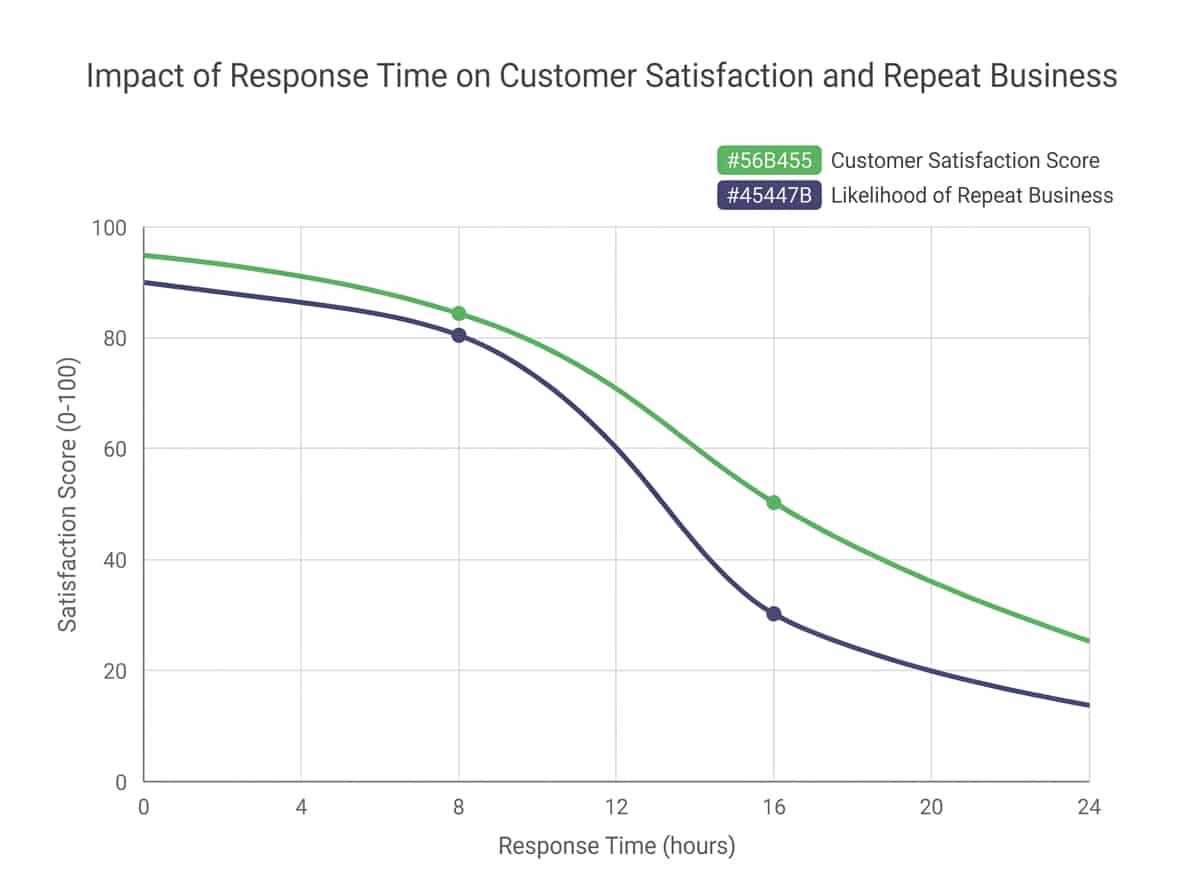
Communication also extends to follow-up. After the job is done, does the contractor check in to make sure everything is working as expected? Do they explain warranty terms and next steps for maintenance? Professional contractors treat every job as the start of a long-term relationship, not a one-time transaction.
Red Flag #1: No License, Expired License, or “My License Is in Process”
Never hire an unlicensed HVAC contractor in Arizona. It’s illegal for them to operate, and it’s financially risky for you to hire them. Unlicensed contractors aren’t bonded, so if they damage your property or perform substandard work, you have no recourse through the state. Your manufacturer’s warranty is often voided if an unlicensed technician performs installation or major repairs. If the work doesn’t meet code, you could face fines or be forced to redo the job at your own expense.
Some contractors will claim their “license is in process” or that they’re working under someone else’s license. Both are red flags. Arizona law requires the licensed individual to be actively involved in the work. A contractor who’s “borrowing” a license or operating under someone else’s ROC number without direct supervision is violating state regulations.
Unlicensed contractors are a persistent problem across the construction and HVAC industries. They undercut licensed professionals on price because they skip bonding, insurance, and regulatory overhead. But the lower price comes with massive risk. If something goes wrong, you’re the one who pays (not just in dollars, but in time, stress, and safety).
Verifying a license takes two minutes on the Arizona ROC website. If a contractor won’t provide a license number, or if the number comes back expired or suspended, end the conversation. There are plenty of qualified, licensed contractors in the East Valley. You don’t need to take a chance on someone operating illegally.
Red Flag #2: Pressure Tactics and Urgency Gimmicks
“This price is only good if you sign today.” “Your system is dangerous and needs to be replaced immediately.” “We have a truck in your neighborhood right now, but we can’t guarantee availability tomorrow.” These are classic high-pressure sales tactics, and they’re designed to override your better judgment.
Legitimate HVAC problems rarely require same-day decisions on major equipment purchases. Even in an emergency, a good contractor can diagnose the issue, explain your options (repair vs. replace), and give you time to get a second opinion or review financing options. Contractors who manufacture urgency are prioritizing their sales targets over your best interest.
Same-day discounts that evaporate if you don’t commit immediately are another red flag. Professional contractors stand by their pricing. If the quote is fair today, it’s fair tomorrow. Discounts that vanish in 24 hours are pressure tools, not genuine offers.
Be equally wary of contractors who push whole-system replacements when a repair would suffice. A capacitor failure, refrigerant leak, or blower motor issue can often be repaired for a few hundred dollars. If a contractor insists your 8-year-old system is “beyond repair” without explaining why, get a second opinion. Equipment manufacturers design modern systems to last 12 to 15 years with proper maintenance. A contractor who ignores that lifespan to sell a new unit isn’t acting in your interest.
Red Flag #3: Vague Estimates or Refusal to Put It in Writing
If a contractor gives you a verbal estimate and resists putting it in writing, consider that a deal-breaker. Written estimates protect both parties. They clarify scope, price, and expectations. Contractors who won’t document their quotes are either inexperienced or planning to inflate the price once the work is underway.
Vague estimates with missing details are almost as bad. If labor is listed as “TBD,” parts are described generically, or key line items are omitted, the estimate isn’t useful. You can’t compare it to other quotes, and you have no protection if the contractor adds charges later. A professional estimate should be detailed enough that you could hand it to a third party and they’d understand exactly what work is being performed and at what cost.
Verbal estimates also create disputes. When the final bill is higher than the verbal quote, the contractor can claim there was a “misunderstanding” or that the scope changed. Without documentation, you have no leverage. Written estimates eliminate that ambiguity.
Ask for the estimate in writing before any work begins. If the contractor says they’ll “send it over later” and then starts work without providing it, stop them. Once the work is done, you lose negotiating power. Professional contractors produce written estimates as part of their standard process. It’s not an inconvenience; it’s best practice.
Red Flag #4: No Insurance or “I’m Covered by the Company”
Some contractors, especially subcontractors or sole proprietors, claim they’re covered by a larger company’s insurance. That’s only true if they can produce a certificate proving it. If they can’t, assume they’re uninsured.
Operating without insurance is a gamble contractors take to cut overhead. It saves them money until something goes wrong. When a technician is injured on your property or the contractor damages your HVAC system, drywall, or ductwork during installation, the lack of insurance makes you the liable party. Homeowners have been sued by injured contractors and forced to pay medical bills and lost wages out of pocket because they didn’t verify insurance coverage upfront.
Ask for a certificate of insurance before work begins. The certificate should name the contractor’s business, list general liability and workers’ comp policies, show current coverage dates, and include the insurer’s contact information. If the contractor delays, deflects, or provides a certificate that’s expired or doesn’t match their business name, walk away.
Workers’ compensation and liability insurance are industry standards in construction and HVAC trades. Contractors who skip coverage are cutting corners elsewhere too. Insurance protects you, but it also signals the contractor is running a legitimate, accountable business.
The Questions You Should Ask Before Hiring an HVAC Contractor
Before you request estimates or commit to a contractor, prepare these five questions. The answers separate qualified professionals from operators who cut corners.
- What’s your ROC license number, and can I verify it online?
A legitimate contractor will provide their license number immediately and expect you to verify it. Hesitation or vague answers (“I’ll get it to you”) are red flags.
- Can you provide a certificate of insurance showing liability and workers’ comp coverage?
Ask to see proof before work begins. The certificate should show current coverage with no gaps or expired dates.
- Will you provide a detailed, itemized written estimate before starting work?
The estimate should list labor, parts (with model numbers), permits, and any optional add-ons. If scope changes mid-job, request a revised written estimate before proceeding.
- What warranties cover the equipment and labor?
Manufacturer warranties cover equipment defects; labor warranties cover installation workmanship. Ask for both in writing. Typical labor warranties range from one to five years depending on the contractor.
- How do you handle emergency calls, and what’s your typical response time?
In Arizona, AC emergencies happen mid-summer when demand is highest. Contractors who offer 24/7 service and same-day response demonstrate they understand the stakes.
These questions give you information to make better decisions. If a contractor can’t answer them clearly or becomes defensive, that’s your signal to move on. For comprehensive services across the region, explore our HVAC Services in the East Valley, AZ.
Why We Built JLM Around These Principles
At JLM, we started with a simple question: What does an honest HVAC contractor look like in a market crowded with franchise brands and high-pressure sales teams? The answer was straightforward. Licensed, insured, transparent pricing, owner-on-the-job, and accountable to the community we live in.
Bill Milbourn founded JLM because he saw too many East Valley families getting burned by bait-and-switch estimates, unnecessary upsells, and contractors who disappeared after the sale. We’ve completed over 3,000 installations since we opened, and we’ve earned an A+ BBB rating by doing what we said we’d do: showing up on time, explaining what’s needed (and what isn’t), pricing transparently, and standing behind our work.
Homeowners who ask for a written estimate upfront and verify our ROC license before scheduling close faster and refer us more often. That’s because there are no surprises. When you call JLM, you speak to someone who lives in Gilbert or Mesa, not a call center in another state. Bill is actively involved in jobs, and our team is trained to communicate clearly and treat your home with respect.
We also built our service model around availability. Arizona heat doesn’t wait. We offer 24/7 emergency service and same-day response when capacity allows because we know what it’s like when the AC fails at 3 p.m. in July. According to the U.S. Department of Energy, proper installation and maintenance extend equipment lifespan and reduce operating costs by up to 15%. We follow ACCA Manual J load calculations and manufacturer installation specs on every job, not because it’s faster or cheaper, but because it’s what quality work requires.
In our first two years, over 60% of our new customers came from referrals. That’s higher than the industry average, and it tells us we’re doing something right. People trust contractors who do what they say and don’t pressure them into decisions they’re not ready to make. For a deeper look at our approach, visit our HVAC System | AC Technician Near Me page.
Conclusion: Trust Your Gut, Verify the Details
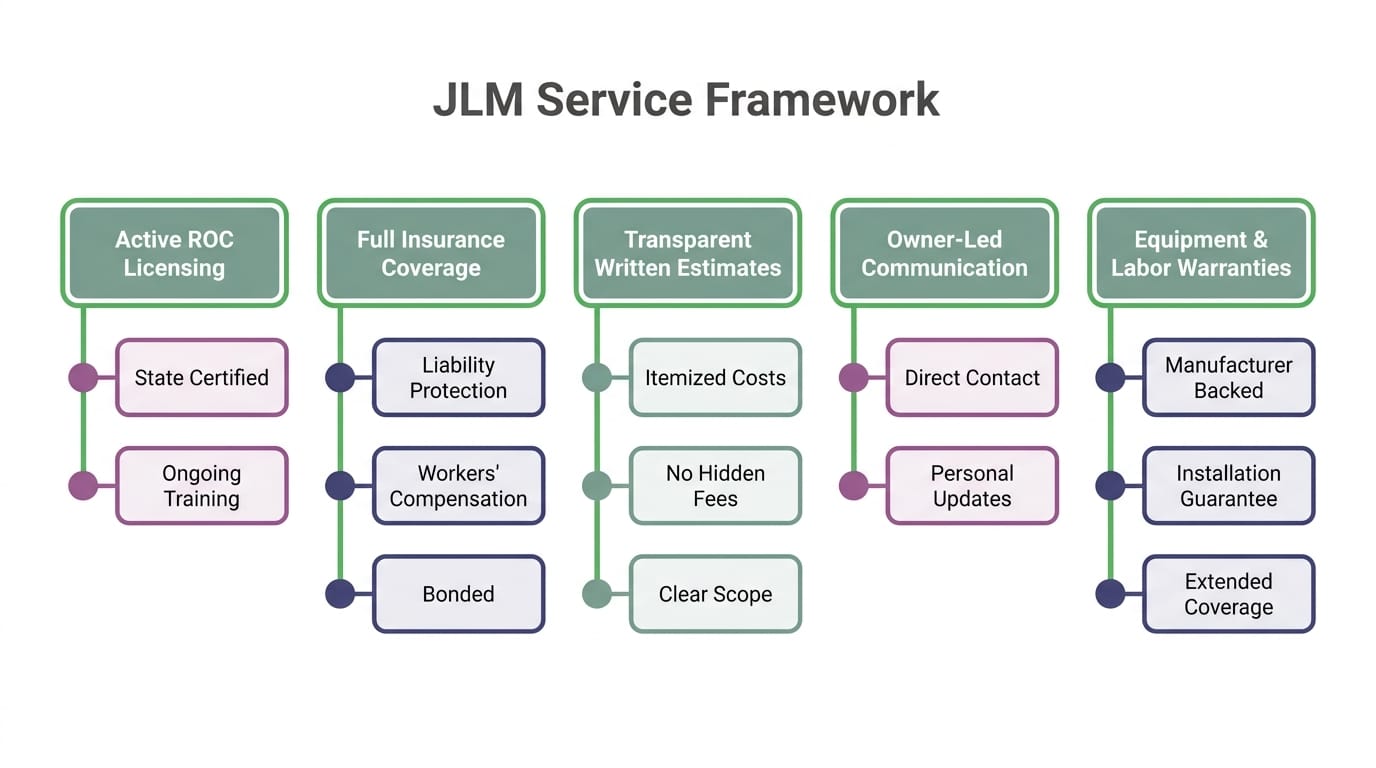
Choosing an HVAC contractor doesn’t have to feel like a gamble. The green lights (active licensing, transparent pricing, verifiable insurance, clear communication, and strong references) give you a framework to evaluate contractors objectively. The red flags (unlicensed operators, pressure tactics, vague estimates, and missing insurance) signal when to walk away.
Ask the five questions. Verify the ROC license. Request proof of insurance. Get written estimates. Read recent reviews. When you do the upfront work, you eliminate most of the risk and most of the regret.
Good contractors welcome scrutiny. They’re proud of their licensing, their track record, and their pricing. They want you to feel confident in your choice because they know that confidence leads to referrals. Contractors who dodge questions, pressure you into same-day decisions, or refuse to document their work are showing you exactly who they are. Believe them.
For seasonal preparation, consider reading about Is Spring Too Early to Plan for Arizona AC Tune-Up?. If you’re exploring efficient cooling options, check out How Mini Split Installation Works from Start to Finish. For additional details on various cooling systems, explore options like Mini Split Installation in Gilbert AZ: What to Know First or Garage AC Options That Don’t Overwhelm Small Spaces. Understanding equipment efficiency ratings helps you make informed decisions about upgrades. Learn more about our full range of services, including our Air Conditioning | AC Technician Near Me expertise, and discover The Smart Way to Prep AC for Gilbert’s Hot Summer. Choosing energy-efficient systems can significantly reduce your long-term operating costs while maintaining comfort. For ongoing care, learn more about our Air Conditioning Maintenance services. To understand when professional help is essential, see Do You Really Need Professional AC Repair in Mesa?.
Looking for an East Valley HVAC contractor who checks every green light on this list? We’re licensed, insured, A+ BBB rated, and we’ll give you a transparent written estimate before we touch your system.
Call JLM now: 602-619-3609