
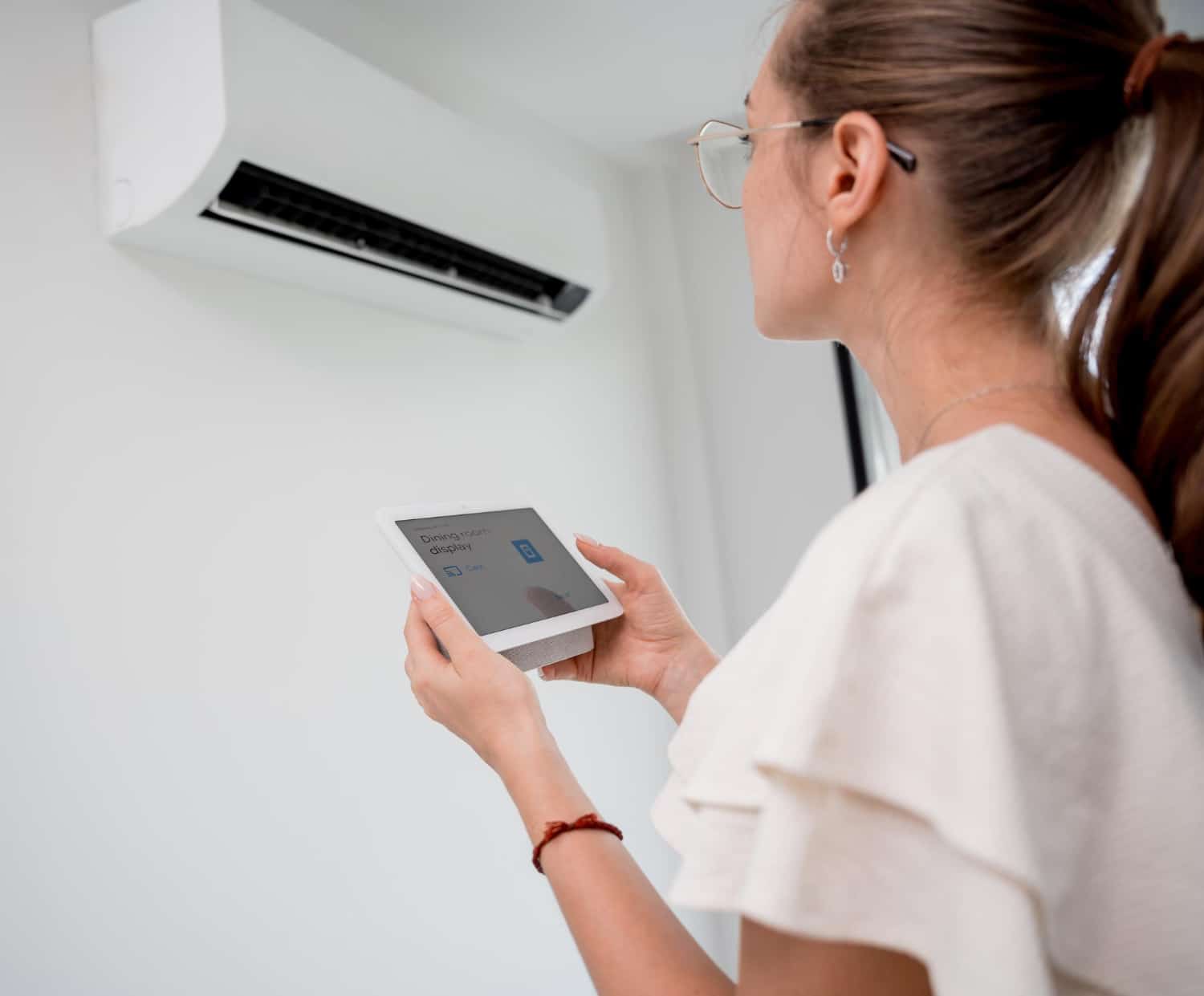
Planning for a mini split system doesn’t have to feel overwhelming, but it does take some thought. These ductless systems are a solid choice for homes in Gilbert, especially if you’re dealing with rooms that run hotter than others or spaces that don’t get enough airflow from your central unit. Getting the details right from the start helps make sure you’re installing something that actually fits your needs and delivers the kind of comfort you’re hoping for.
Good planning means more than just picking a brand or style. It means thinking about how your home is laid out, figuring out how big a system you need, and making sure the equipment fits your space both indoors and out. With Gilbert’s long warm season, you want a setup that handles the heat with ease while keeping monthly energy use in check.
Assess Your Heating and Cooling Needs
Before choosing a system, take a walk through your home and look at each room closely. Mini split systems offer flexibility, but they do better when the setup is well-matched to the space. Bedrooms, sunrooms, garages, and additions are all common spots that benefit from this kind of system. Still, each area will have different needs based on its size, use, and how well it holds onto cooled or heated air.
For example, a small home office that faces west might stay hotter in the afternoons compared to the rest of the house. If the room’s insulation isn’t the best or sunlight pours in for hours, you might need a slightly stronger unit than you’d first think. Estimating the right size and number of indoor heads is one of the most important parts of this step. If a system is too small, it will run constantly. Too large, and it will short-cycle and waste energy.
A few things to look at when gauging what you need:
1. Room size and ceiling height
2. How many windows and how much sun the room gets
3. The condition of insulation and ductwork (if any)
4. Whether the room is used throughout the day or just at night
5. If doors are left open or closed most of the time
6. What other appliances or electronics give off heat in the space
Use this information to get a sense of what each room demands. You might find that one or two zones are enough, or you might need something more custom. Either way, doing this homework now sets you up for a better-performing system later.
Budgeting for Mini Split Installation
It’s easy to focus on price tags, but it’s smarter to see this as an investment in everyday comfort. The cost of a mini split setup depends on how many zones you need, the size of each unit, and the amount of labor for installation. Installing just one head unit in a back room will cost a lot less than doing a full multi-zone system across a larger home.
Keep in mind there’s more to the job than just mounting the equipment. You’ll have to think about electrical upgrades, line runs, condensate drainage, and placement challenges based on your home’s layout. That’s part of what adds to the labor involved. If your home is older or has limited attic or crawl space access, the project might take more time than average.
Some homeowners check for rebates or programs tied to energy-efficient upgrades. These options change often and usually depend on the city or power company. Though nothing is guaranteed, it doesn’t hurt to ask about any current offers that ease upfront costs. What’s often more noticeable, though, is what you save month after month. Mini splits are designed to be efficient, especially in Gilbert where you’re likely running cooling for most of the year.
Thinking long-term, mini splits usually cost less to run compared to systems that push air through long runs of ductwork. Plus, since they let you cool or heat only the rooms you’re using, you’re not wasting energy on empty spaces. That’s where the real savings often show up—lower bills without giving up comfort.
Choosing the Right Location for Units
After budgeting and planning the type of system your home needs, the next step is to figure out where everything should go. Placement matters more than most people realize, especially in a place like Gilbert, where cooling your home quickly and evenly can make a big difference in comfort. Whether you’re adding one unit or several, poor placement can keep your system from working the way it’s meant to.
Start with the indoor units. These should be installed on interior walls where airflow isn’t blocked by furniture or drapes. Avoid corners or spots behind large objects that might trap the air trying to spread across the room. Height counts too. These units work best when they’re mounted higher on a wall, but not right up against the ceiling. That gap helps air circulate better and cools the space more evenly.
As for the outdoor unit, aim to place it on a level surface with enough breathing room. Avoid narrow side yards that trap heat from walls or driveways. Choose a spot with shade if possible, but don’t cram the unit into a tight or enclosed area. It needs a few feet of clearance around it to stay cool and vent air properly. Strong direct sun and trapped hot air can make the unit work harder than it needs to.
Some things homeowners in Gilbert run into include:
1. Block walls that radiate heat back into the system
2. Limited attic or crawl space for running lines
3. HOA rules that limit options for outside unit placement
4. Landscaping that grows up around a unit over time
Taking time to think through these challenges in advance helps you avoid costly adjustments later. By making sure each part of the system is installed in a smart place, you build more reliability and comfort right from the start.
Professional Installation and Maintenance
Mini splits should always be installed by trained professionals. It’s not just about putting equipment on the wall. It’s about exact placement, sealing connections, running lines, and wiring everything correctly. Any shortcuts here can lead to system problems down the road or even damage that shortens the life of your unit.
Gilbert homes come in all shapes and sizes, and that’s where a skilled technician is helpful. They know how to work around unique layouts, older wiring, and tight spaces without cutting corners or guessing. Once the plan is in place, the install usually takes a day or two depending on how many zones you’re adding. You’ll likely see workers running copper lines, mounting units, checking pressure, and programming thermostats before wrapping up.
After the system is up and running, it’s easy to forget about it. But like anything with frequent use, a little upkeep helps it last longer and work the way it should. At minimum, filters need to be cleaned often, especially during summer when units run nearly every day. Outdoor units should be free from leaves, debris, or anything blocking airflow. It’s a good idea to schedule regular checkups to catch issues before they turn into full repairs.
If you notice one part of the system not cooling as well as others or a rise in your cooling bill without a clear reason, that’s usually a sign the units need to be checked. Keeping your system in top shape saves money down the line and avoids sudden breakdowns when you need it most.
Comfort That Pays Off Year-Round
Putting a mini split system in place isn’t just about making it through summer heat. It’s about getting the everyday comfort you expect. Quiet, efficient cooling and heating that works when and where you need it. With Gilbert homes seeing more months of hot weather than cool ones, a system that adapts to each room’s needs can change the way your space feels all year long.
When everything lines up—room sizing, placement, budget, and install—you’re left with a setup that keeps your home better balanced. No overworked central units or overheated back bedrooms. Just a simple system that keeps up without much fuss. Clear planning now saves stress later and helps your system perform better over time. And when it does need attention, it’s a lot easier to fine-tune when you know how it was set up in the first place.
Installing a mini split system is a smart way to keep your home comfy throughout Gilbert’s warmer months. With its flexibility and efficiency, it’s important to get professional help for the best results. At JLM Air Conditioning and Heating, we’re here to ensure everything is done right, from planning to the final touches. Ready to explore the benefits of expert mini split installation in Gilbert? Reach out today and let our team help you maximize indoor comfort all year long.