Introduction
If your summer cooling bills have climbed year after year despite no change in your thermostat settings, dirty ductwork might be the hidden culprit. Clean ducts can reduce cooling costs by 10–15% in Arizona homes by improving airflow and HVAC efficiency, according to ENERGY STAR data on duct system performance. Dust, debris, and air leaks force your system to work harder, increasing runtime and energy consumption. Professional ductwork cleaning energy savings come from removing buildup and identifying leak points, restoring optimal performance and lowering monthly bills.
In the East Valley’s dusty, high-heat climate, ductwork cleaning and energy savings go hand in hand. When your ducts are clogged or leaking, your AC runs longer to maintain the same temperature, driving up your electric bill during peak summer months. This guide walks you through exactly how air duct cleaning efficiency affects energy costs, what the process involves, and when it’s a smart investment for cooling cost reduction. You’ll learn what to expect from professional service and how to distinguish real value from industry hype.
Why Ductwork Gets Dirty and Why It Matters in Arizona
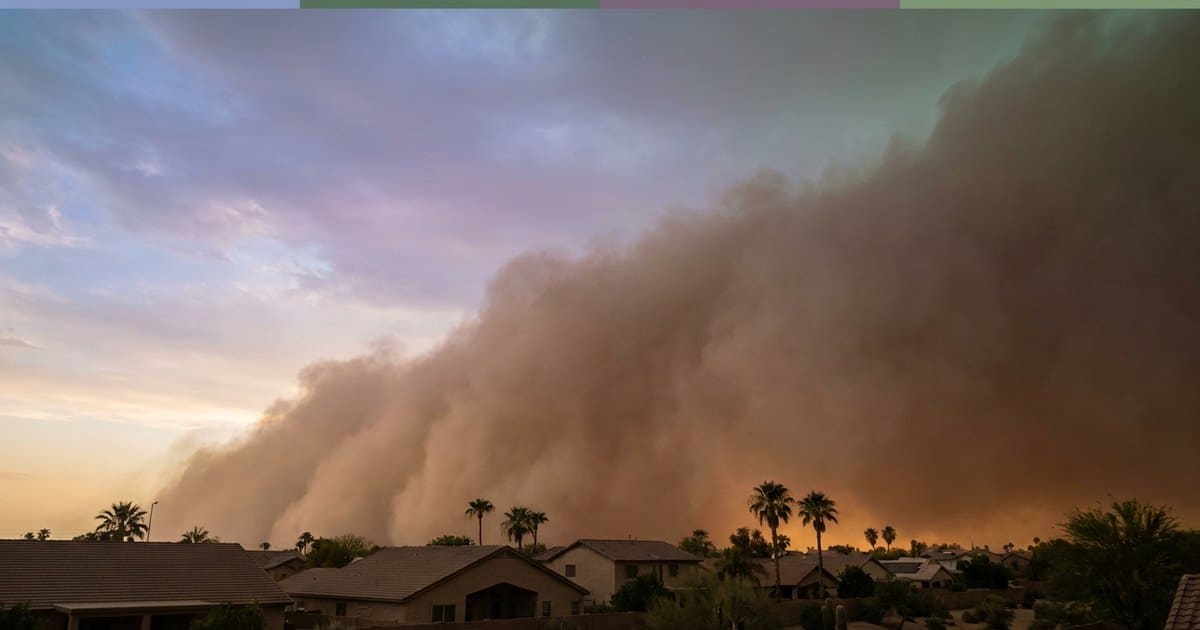
Arizona’s unique environment makes ductwork contamination more severe than in most regions. Monsoon dust storms blanket the East Valley every summer, driving fine particles through even small gaps in duct seams. New construction in rapidly growing areas like Queen Creek and Apache Junction often leaves drywall dust and debris circulating through ductwork for months after move-in. Add pet dander, pollen tracked indoors, and outdoor air infiltration through poorly sealed attic ducts, and you have a recipe for significant buildup.
Common Contaminants in East Valley Ductwork
In our 3,000+ HVAC installs and service jobs across Gilbert, Queen Creek, and Mesa, we’ve seen ducts clogged with everything from monsoon dust to construction debris left behind by builders. The most frequent contaminants include fine desert dust (which coats interior duct surfaces and restricts airflow), fiberglass insulation particles from aging ducts, pest debris (rodent droppings and nesting materials when attic access isn’t sealed), and outdoor pollen that infiltrates through air leaks. This firsthand experience installing and servicing systems across the East Valley has shown us how Arizona’s climate accelerates duct contamination compared to other regions.
How Dust and Debris Restrict Airflow and Force Longer AC Runtime
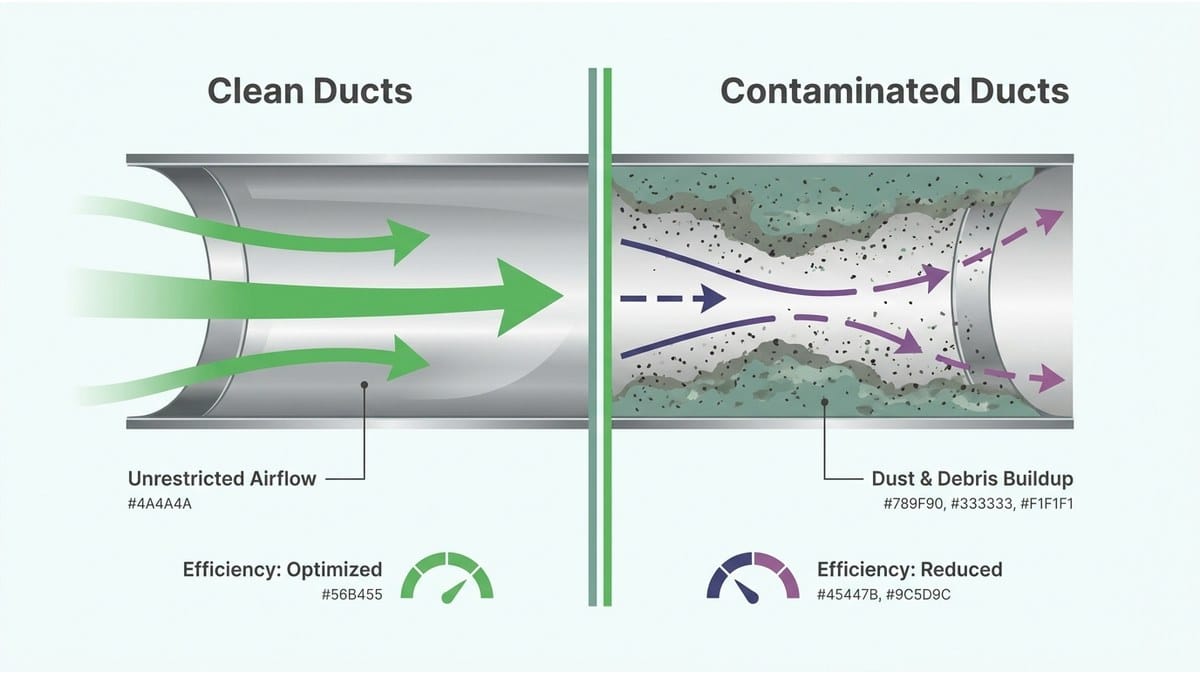
When dust accumulates on duct walls, it acts like insulation in reverse. Instead of keeping air at the desired temperature, the buildup narrows the effective diameter of your ducts, restricting airflow. Your AC has to run longer to push the same volume of conditioned air through the system. That extended runtime translates directly to higher energy consumption. According to HVAC filtration standards documented by the EPA, restricted airflow forces HVAC systems to operate outside their designed efficiency range, increasing energy draw and accelerating component wear.
During inspections, we often find that homes built before 2010 in rapidly developed areas have poorly sealed joints. That leakage compounds the restriction problem, forcing your system to work even harder to maintain comfort. Understanding how your HVAC system affects indoor air quality helps clarify why clean, sealed ductwork matters for both efficiency and health.
The Energy Impact of Dirty Ducts: What the Data Shows
The connection between ductwork cleaning energy savings and air duct cleaning efficiency isn’t marketing hype. It’s backed by measurable performance improvements when ductwork is cleaned and leaks are sealed. The key mechanism is airflow restoration: when your ducts are clear and properly sealed, your AC delivers conditioned air to living spaces with less resistance, reducing compressor runtime and fan energy draw for genuine cooling cost reduction.
How Airflow Restriction Increases Cooling Costs
Think of your ductwork like arteries. When they’re clogged, your heart (the AC compressor) works harder to circulate blood (conditioned air). Research from the National Comfort Institute shows that even moderate dust buildup can reduce airflow efficiency significantly. That means your AC runs longer cycles to drop the indoor temperature by the same number of degrees, burning more electricity in the process.
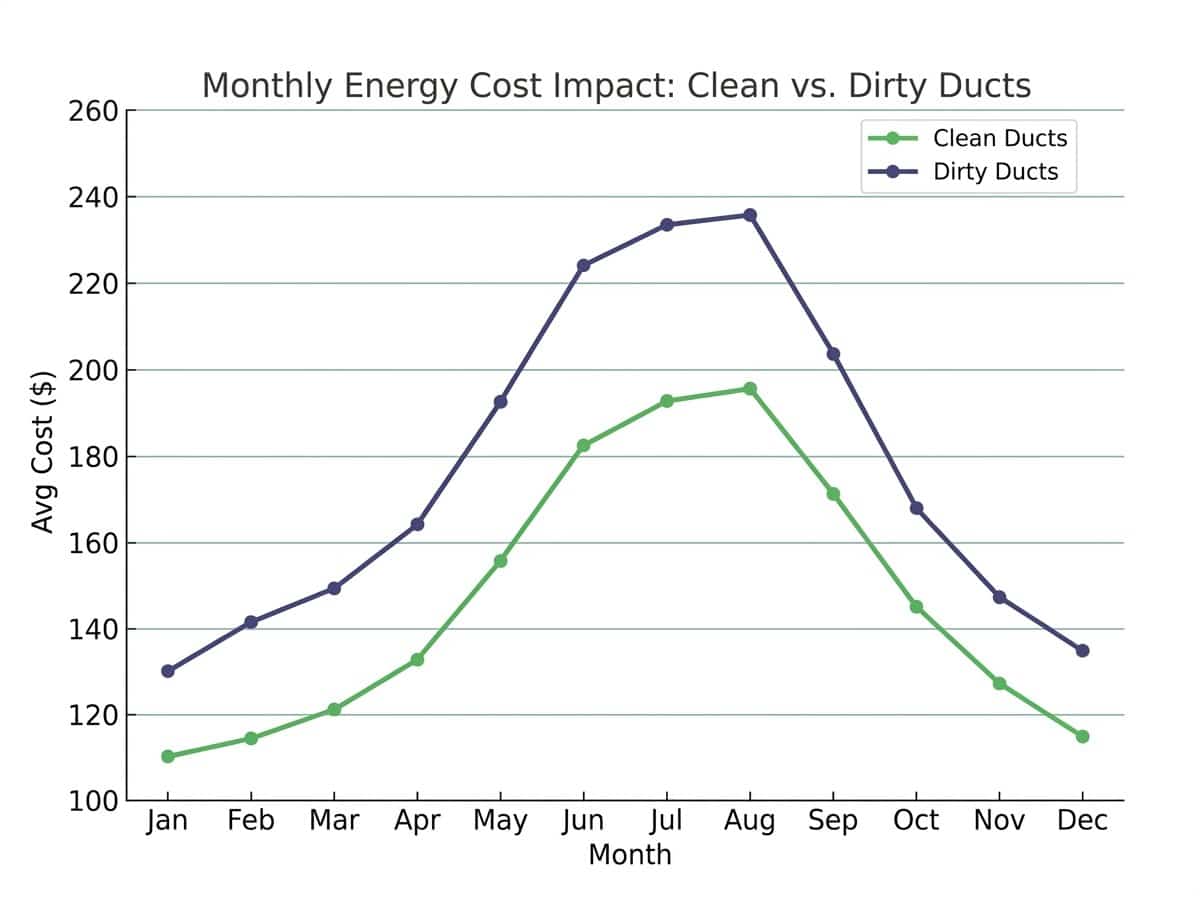
Homeowners who schedule duct cleaning alongside a seasonal tune-up often report noticing cooler air from vents and lower monthly bills within the first billing cycle. The savings are most dramatic during peak summer months when your AC runs 8–12 hours per day. During why summer in Mesa demands fast AC repair, understanding your ductwork condition becomes even more critical for maintaining efficiency.
Air Leaks and Duct Sealing: The Hidden Efficiency Killer
Ductwork cleaning energy savings address debris buildup, but air leaks are an equally critical energy drain. According to ENERGY STAR, the typical home loses 20–30% of conditioned air through leaks, holes, and poorly connected ducts. That’s not just wasted cool air. It’s wasted electricity. Your AC has to produce additional cooled air to compensate for what escapes before reaching your living spaces.
During professional duct cleaning, technicians often identify leak points at duct joints, around registers, and where ducts pass through attic spaces. Sealing those leaks (using mastic sealant or metal-backed tape, never standard duct tape which degrades quickly) captures the full cooling capacity you’re paying for. The EPA’s position on duct cleaning acknowledges significant case-by-case value when ducts are visibly contaminated or when occupants have respiratory sensitivities. In Arizona’s high-dust, long-cooling-season environment, those conditions apply to most homes older than five years.
What Professional Ductwork Cleaning Involves
Understanding the process helps you distinguish real cleaning from low-quality services that amount to little more than a shop-vac run through a few vents. Professional ductwork cleaning energy savings come from a multi-step procedure using specialized equipment designed to remove debris without damaging ductwork or spreading contaminants into living spaces.
Step-by-Step: How a Licensed Technician Cleans Your Ducts
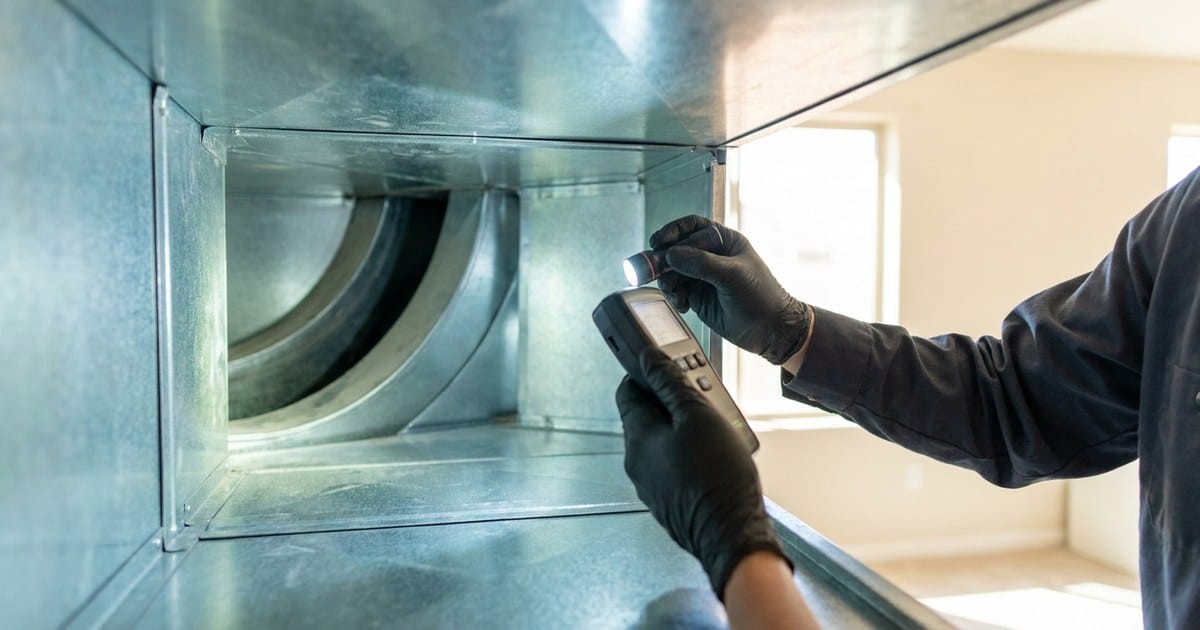
A thorough cleaning starts with a pre-inspection. The technician examines accessible duct sections, checks for visible mold or pest activity, and identifies leak points using a flashlight and mirror. Next, all supply and return registers are removed and cleaned separately.
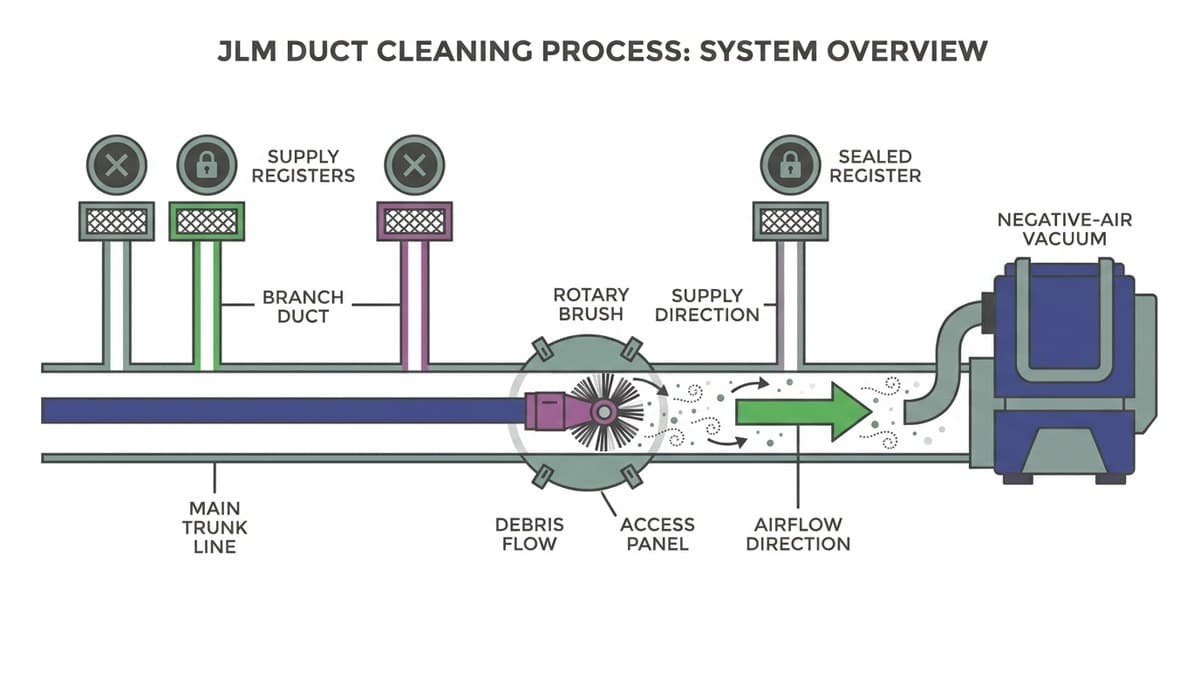
The core cleaning phase uses a truck-mounted or portable negative-air machine. This device attaches to the main trunk line and creates a vacuum that pulls dislodged debris toward a collection point, preventing contaminants from escaping into your home. While the vacuum runs, the technician inserts rotary brushes and compressed-air whips through access points along the duct runs, agitating dust and debris off duct walls. The loosened material is immediately drawn into the vacuum system.
After mechanical cleaning, the technician inspects the interior with a camera scope (if accessible) to verify debris removal. Any identified air leaks are sealed using mastic or foil-backed tape. Finally, registers are reinstalled and the system is test-run to confirm proper airflow and temperature delivery. The entire process for a typical 2,000-square-foot home takes 3–5 hours.
For homes that also need dryer duct cleaning, that’s a separate service. Dryer vents require lint-specific cleaning tools and are not part of HVAC ductwork maintenance.
Tools and Equipment That Matter
Not all duct cleaning is equal. The equipment used directly affects results. HEPA-filtered vacuum systems (the gold standard) capture particles as small as 0.3 microns, preventing dust from recirculating into your home during the cleaning process. Rotary brush systems with variable-speed controls allow technicians to match agitation intensity to duct material (flexible ducts require gentler brushing than metal ducts).
Camera inspection scopes let you see exactly what’s inside your ducts before and after cleaning. Reputable contractors will show you the footage. If a company refuses or says they “don’t need cameras,” that’s a red flag. Transparency about what they’re removing and what condition your ducts are in protects you from unnecessary upsells and confirms you’re getting real value.
How Much Does Duct Cleaning Cost and Is It Worth It?
Pricing for professional ductwork cleaning energy savings in the East Valley typically ranges from $400 to $800 for a residential system, depending on home size, ductwork accessibility, and the extent of contamination. That’s the all-in cost for a thorough cleaning, including inspection, debris removal, and minor leak sealing.
Average Duct Cleaning Cost in Gilbert, Queen Creek, and Mesa
For a standard 1,500–2,000 square foot home with a typical forced-air HVAC system, expect to pay $450–$600. Larger homes (2,500+ square feet) or properties with multiple HVAC zones may run $700–$900. If significant mold remediation or extensive duct sealing is needed, costs can climb higher, but those are separate services billed beyond basic cleaning.
Beware of “$99 whole-house duct cleaning” offers. Those are almost always loss-leader bait-and-switch tactics. The technician arrives, does a cursory cleaning of a few accessible vents, then pressures you into expensive add-ons (coil cleaning, UV light installation, duct sealing) that weren’t disclosed upfront. Legitimate duct cleaning requires hours of labor and specialized equipment. A price that’s far below market rate is a guarantee you’re not getting a complete job.
Calculating ROI: When Savings Justify the Investment
Let’s run the numbers. According to data from the U.S. Department of Energy on HVAC system efficiency improvements, homes that address duct contamination and air leaks see measurable reductions in cooling costs. Summer electric bills for typical East Valley homes vary widely based on square footage, insulation quality, and usage patterns. Many Gilbert homeowners with 2,000-square-foot homes running AC heavily from June through September report monthly bills in the $200–$240 range during peak season.
If ductwork cleaning energy savings combined with sealing reduces your cooling costs by 10%, and you’re spending $220 per month during summer, you save $22 monthly during peak season. Over a four-month summer, that’s $88 in savings. Over three years, the cumulative savings approach the cost of the cleaning itself.
Add in the extended lifespan of your HVAC equipment (a system that doesn’t have to work as hard lasts longer and needs fewer repairs) and the indoor air quality benefits, and ROI improves significantly. Research on home health and environment quality shows that reducing airborne particulates correlates with fewer respiratory health issues, which can translate to lower healthcare costs and fewer missed work or school days.
The investment makes the most sense when you’re already scheduling HVAC maintenance. Pairing duct cleaning with your annual tune-up saves a service call fee and ensures your entire system is operating at peak efficiency.
Beyond Energy Savings: Indoor Air Quality and Health Benefits
Ductwork cleaning energy savings aren’t just about lowering your electric bill. It’s also about the air your family breathes. Over time, ductwork becomes a reservoir for allergens, dust mites, mold spores, and other irritants. Every time your AC cycles on, those contaminants are blown into your living spaces.
How Clean Ducts Reduce Allergens, Dust, and Respiratory Irritants
Studies on indoor air quality and respiratory health have documented the link between airborne particulate exposure and asthma exacerbations, allergic rhinitis, and other respiratory conditions. When ductwork is heavily contaminated, your HVAC system essentially distributes those irritants throughout your home with every cooling cycle.
Professional cleaning removes the accumulated dust, pollen, and organic debris that serve as food sources for dust mites and mold. The result is measurably cleaner air. For families with members who have asthma, allergies, or immune sensitivities, the health benefit can be significant. For strategies on improving indoor air quality through comprehensive HVAC system care, see our detailed guide.
The EPA’s guidance on improving indoor air quality emphasizes source control (removing pollutants at the source) and mechanical ventilation. Duct cleaning addresses the source control piece by eliminating the reservoir of contaminants that your HVAC system would otherwise recirculate.
When to Prioritize Duct Cleaning for Health Reasons
If anyone in your household experiences unexplained respiratory symptoms that worsen at home but improve when away (at work, school, or on vacation), contaminated ductwork may be a contributing factor. Visible mold growth around vents, a musty odor when the AC runs, or excessive dust accumulation on furniture within days of cleaning are all warning signs that duct cleaning should be a priority.
Post-remodel cleaning is another critical trigger. Construction projects generate massive amounts of fine dust that infiltrates ductwork even when contractors seal off work areas. That dust will circulate through your home for months unless professionally removed. Similarly, if you’ve had a pest infestation (rodents or insects in attic spaces where ducts run), professional cleaning and sanitization are non-negotiable for health safety.
How Often Should You Clean Your Ducts?
There’s no universal one-size-fits-all answer. National HVAC industry guidelines from organizations like the National Air Duct Cleaners Association (NADCA) suggest cleaning ducts every 3–5 years under normal conditions. In Arizona’s dusty, high-use environment, 2–4 years is a more realistic interval for most East Valley homes.
Standard Recommendations vs. Arizona-Specific Considerations
The baseline 3–5 year recommendation assumes moderate climate conditions, typical occupancy, no pets, and no unusual contamination sources. Arizona throws all of those assumptions out the window. Our cooling season runs 6–8 months per year, meaning HVAC systems here operate far more hours annually than in temperate climates. That extended runtime moves more air (and more contaminants) through your ductwork.
Monsoon season adds another layer. Even well-sealed homes experience fine dust infiltration during major dust storms. Homes near undeveloped desert lots or construction sites see even heavier particulate exposure. If you have pets, consider cleaning more frequently. Pet dander and hair accelerate duct contamination significantly.
For comprehensive air quality management, consider pairing ductwork cleaning energy savings with HVAC air purification systems that actively filter airborne contaminants before they enter ductwork.
Warning Signs That Your Ducts Need Cleaning Now
Don’t wait for a scheduled interval if you notice these red flags. Visible dust or debris blowing out of supply vents when the AC starts, uneven cooling (some rooms stay warmer despite the thermostat calling for cooling), musty or stale odors when the system runs, or a sudden spike in your electric bill without explanation are all indicators that ductwork contamination or air leaks are affecting system performance.
According to CDC guidance on ventilation and air cleanliness, maintaining clean mechanical ventilation pathways is a key component of indoor environmental health. If you’ve recently moved into a resale home or completed a renovation, schedule an inspection even if no obvious symptoms are present. Baseline cleaning after a major event ensures you start with a known clean slate.
Duct Cleaning vs. Duct Sealing: What’s the Difference?
These are complementary services that address different problems, and many homeowners benefit from both. Ductwork cleaning energy savings remove accumulated debris. Duct sealing fixes air leaks. Neither is a substitute for the other.
Cleaning improves airflow by removing obstructions (dust, debris, mold). Sealing improves efficiency by preventing conditioned air from escaping before it reaches your living spaces. A home with clean but leaky ducts will still waste cooling capacity. A home with sealed but dirty ducts will still suffer restricted airflow and reduced efficiency.
During a professional duct cleaning, technicians often identify leak points visually or with smoke-pencil tests. Addressing both issues in one service visit maximizes ROI and ensures your HVAC system operates at peak performance. For homes with severely damaged or poorly designed ductwork, ductless mini-split systems offer an alternative that eliminates ductwork altogether, though that’s a significantly larger investment.
Research consistently shows that combining source control (cleaning) with distribution efficiency improvements (sealing) delivers compounding benefits for both energy performance and indoor air quality.
What to Look for in a Duct Cleaning Provider
Not all duct cleaning companies deliver the same quality. The industry has a reputation problem due to fly-by-night operators and high-pressure sales tactics. Protect yourself by vetting providers carefully and knowing the red flags.
Green flags (signs of a reputable provider):
Licensing and insurance. In Arizona, HVAC contractors must hold a valid ROC (Registrar of Contractors) license. Ask for the license number and verify it online. Liability insurance protects you if something goes wrong during the cleaning process.
Transparent pricing. A legitimate provider will give you a clear, written estimate that breaks down what’s included. Walk away from anyone who refuses to provide pricing upfront or who insists on an in-home visit before quoting.
Inspection-first approach. Reputable companies inspect your ductwork before recommending cleaning. If a technician quotes a price over the phone without seeing your system, they’re guessing or using a one-size-fits-all approach.
Post-cleaning documentation. Ask if they provide before-and-after photos or video, and a written report detailing what was done. If they say no, find another provider.
Red flags (signs of a scam or low-quality service):
Prices far below market rate ($99 whole-house cleaning offers). These are almost always bait-and-switch tactics designed to get a salesperson into your home.
High-pressure upselling on-site. If the technician pressures you into add-on services (mold treatment, duct coating, UV lights) that weren’t part of the original quote, end the appointment.
No physical business address or local phone number. Fly-by-night operators use call centers and PO boxes. A legitimate local company has a verifiable physical location.
Refusal to show credentials or provide references. If they can’t or won’t provide a license number, insurance certificate, or customer references, walk away.
For more on HVAC system best practices and what to expect from professional service, explore our HVAC system guides.
Conclusion and Next Steps
Clean ductwork isn’t just about comfort. It’s about controlling your energy costs and protecting your family’s health. In Arizona’s extreme climate, dirty or leaking ducts can add hundreds to your annual cooling bills while circulating allergens and dust through your home. Professional ductwork cleaning energy savings, paired with leak sealing and regular HVAC maintenance, restores efficiency, lowers monthly costs, and improves indoor air quality.
The investment makes sense when timed appropriately: after a remodel, when moving into a resale home, if you notice respiratory symptoms or uneven cooling, or as part of a 2–4 year preventative maintenance cycle. The ROI comes through measurable energy savings, extended HVAC equipment life, and healthier indoor air.
Don’t wait until your system fails or your summer bills spike. Schedule a free HVAC assessment to identify duct contamination, air leaks, and efficiency improvements that could save you hundreds per year. For ongoing tips on keeping your HVAC system running efficiently, visit our blog with HVAC maintenance tips and updates. For additional insights on Air Conditioning maintenance and optimization, explore our comprehensive resource library.
Call now to schedule your duct cleaning consultation and start saving on your cooling costs this summer.
By JLM