Commercial AC repair includes a lot more than just swapping out a part or adjusting a thermostat. In places like Gilbert, where heating and cooling systems run longer than in many other states, even the winter months keep commercial cooling units busy. A well-running HVAC system doesn’t just affect indoor comfort, it keeps staff steady on the job, customers happy, and utility bills from creeping higher than they should.
We know that downtime causes stress for business owners. It can cost money, interrupt service, and make the workday harder for everyone inside the building. Commercial AC repair helps catch small issues before they grow into serious problems. And knowing how these systems work is the first step in keeping things running smoothly.
Understanding How Commercial Systems Work
Commercial AC systems work differently than the kind you find in homes. They are built to handle larger spaces, more people, and longer run times. While a home may only need to cool a few rooms, a commercial setup could be servicing a warehouse, office complex, or storefront all at once.
Most East Valley businesses use one of the following:
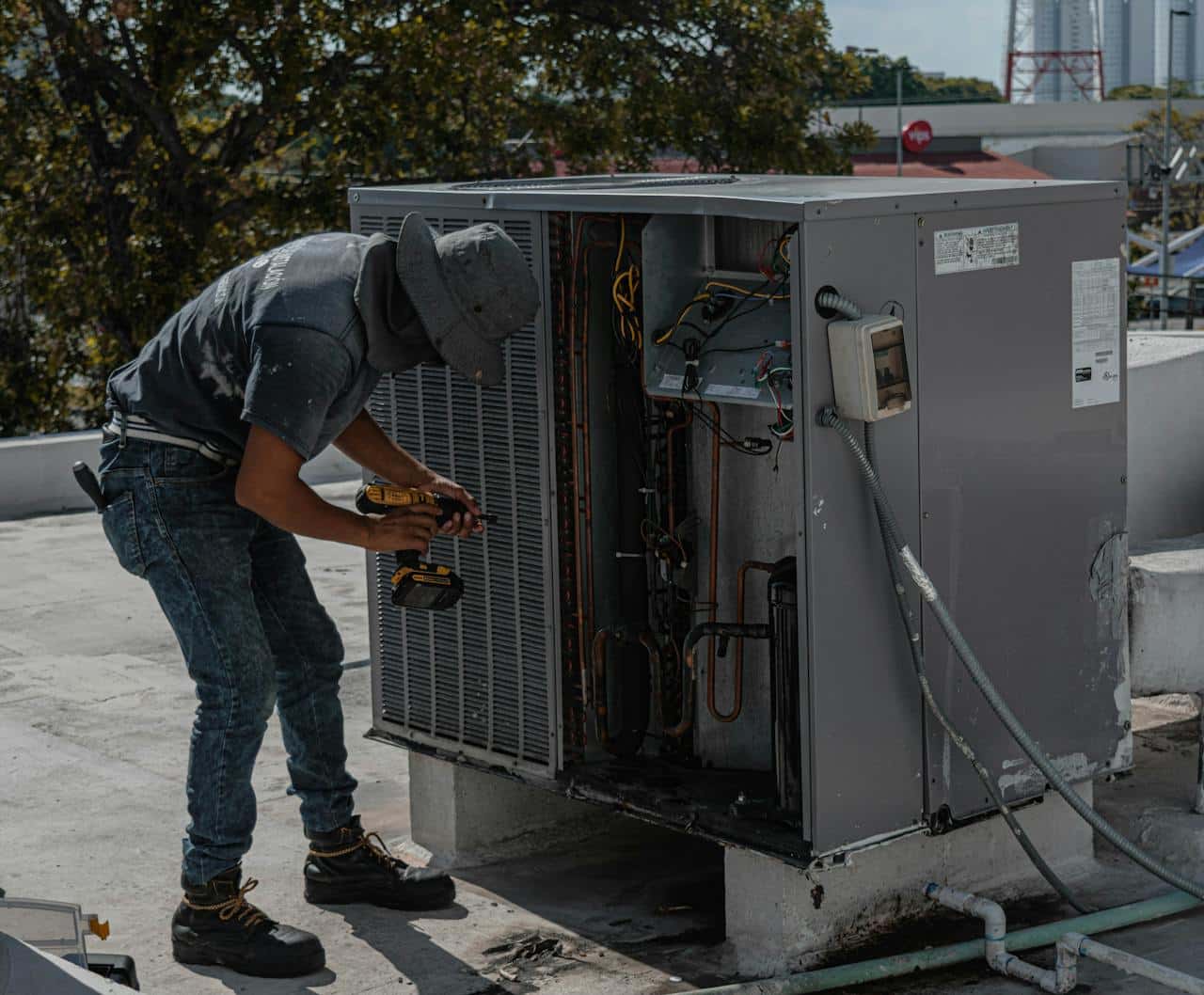
- Rooftop units, which are popular because they don’t take up indoor space
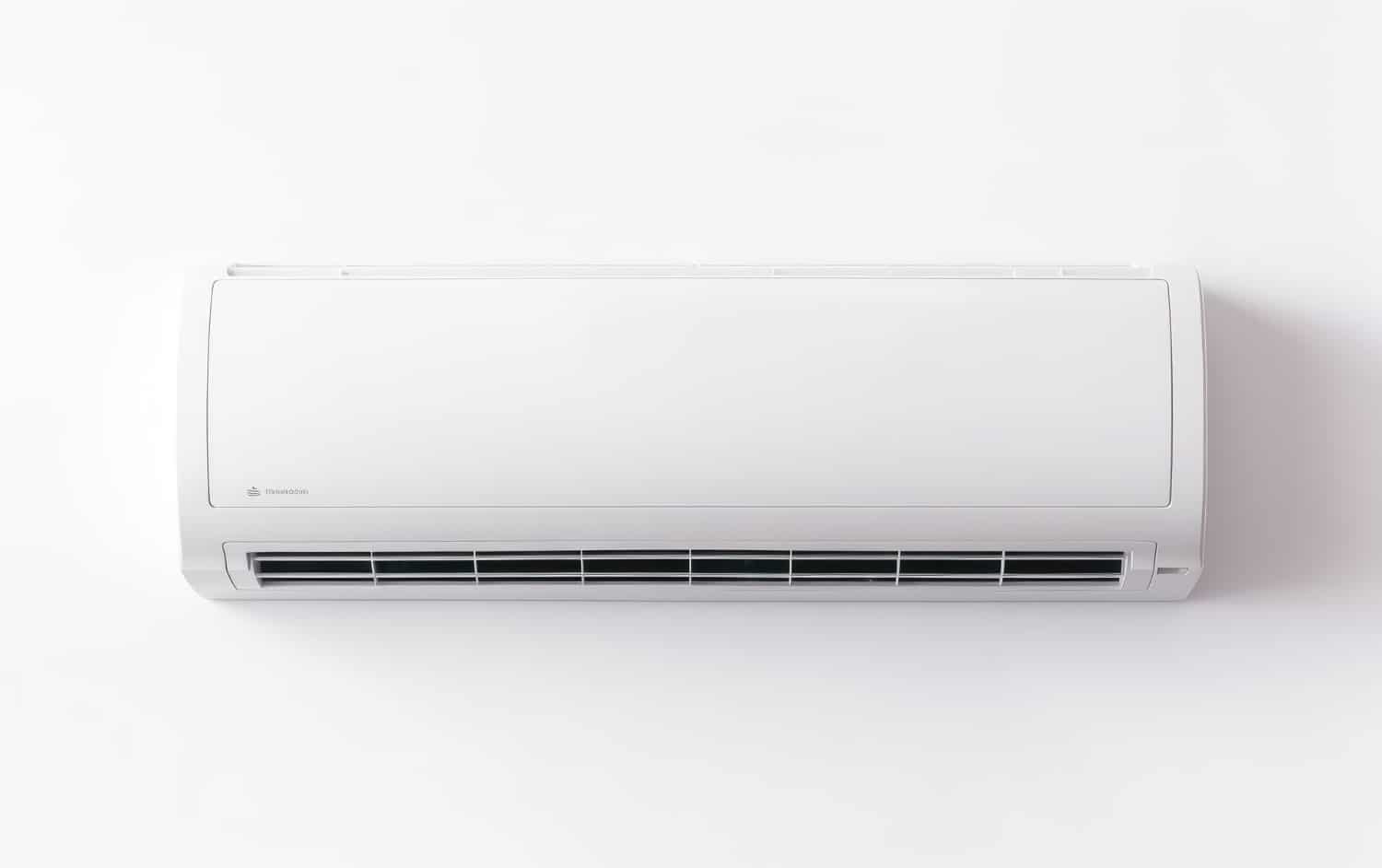
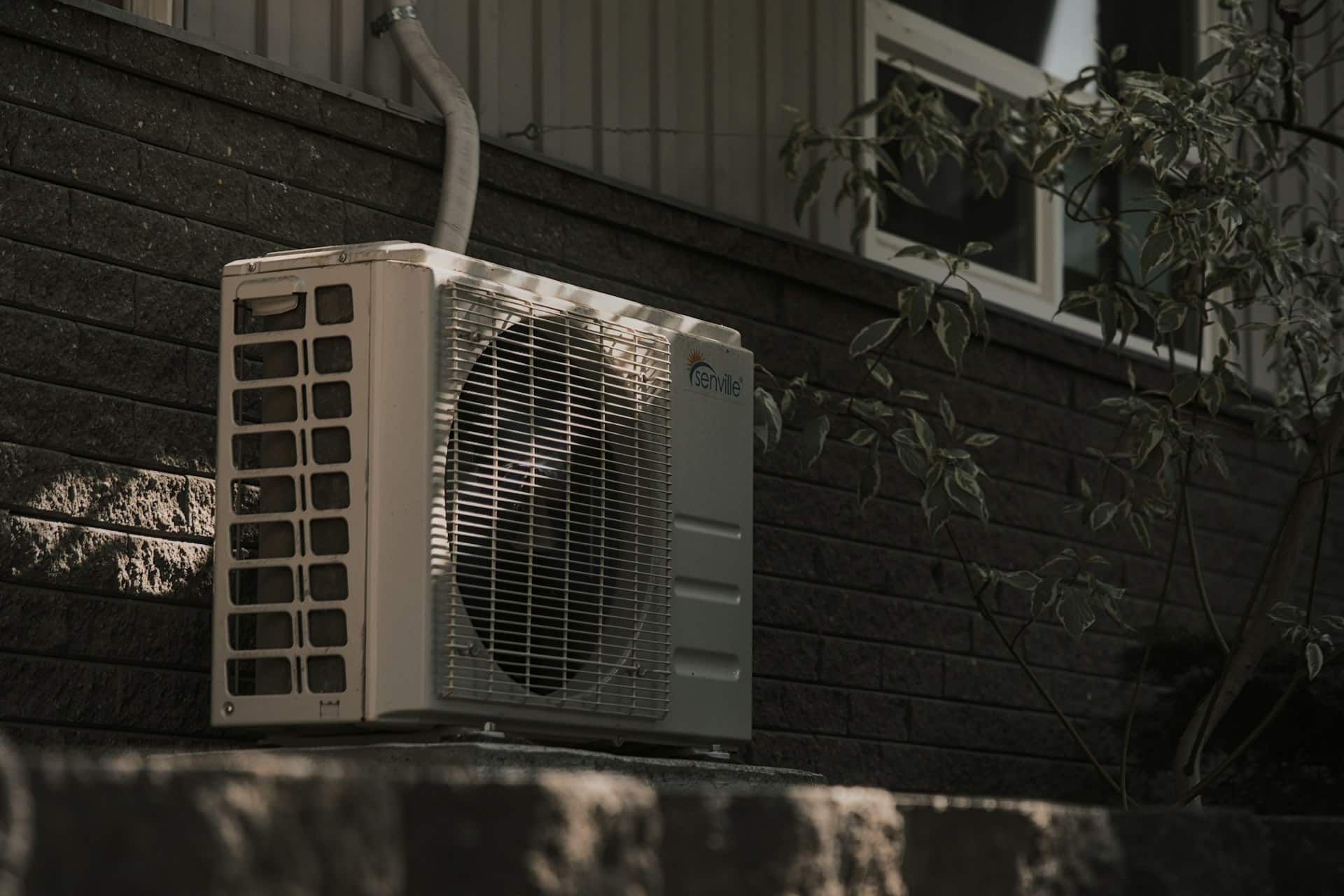
- Split systems that separate indoor air handling from outdoor cooling
- Heat pumps, which can cool in summer and warm in winter without a furnace
Because of this, repairs need to account for different temperatures in various zones, more ductwork, and complex control panels. System layout matters too. The way a building was built impacts airflow, load size, and how long a unit has to work to hit the target temperature. So, commercial AC systems have more parts, and the way they are used can stress them differently.
What a Commercial AC Repair Visit Typically Looks Like
A commercial repair visit begins with a deep inspection, not just of the main unit, but of anything connected to it. We look for visible signs of wear, like rust or cracked insulation, and then test parts that can’t be seen easily. Electrical connections, fan motors, refrigerant lines, and sensors all get checked one by one.
Once we know what’s causing the problem, we’ll find the best way to fix it with as little disruption as possible. Business owners usually notice signs like:
- Rooms feeling too warm, even with the thermostat set correctly
- Unusual sounds from vents or rooftop units
- Growing utility bills with no clear reason
- A system that keeps short cycling or won’t shut off
Catching these signs early can save you from more costly surprises later. In most cases, a solid repair doesn’t just fix the immediate issue, it helps the whole system run better. Beyond immediate fixes, diagnosing problems early allows technicians to recommend preventive measures that safeguard against future breakdowns. This can help ensure that the comfort of employees and customers is maintained while minimizing interruptions to daily operations.
Why Timing and Season Affect Repairs
February in Arizona might not come with freezing weather, but that doesn’t mean commercial HVAC systems get a break. Most businesses still have some level of heating or cooling running this time of year, especially in larger buildings where airflow matters. That makes late winter a good time to take care of system problems.
Mild outdoor temperatures mean that HVAC systems aren’t under peak pressure, so we can spot smaller issues that often go unnoticed in the summer, like:
- Weak airflow due to clogged dampers
- Refrigerant leaks that slowly hurt performance
- Loose fan belts or dirty coils
Handling these in February means avoiding breakdowns when temperatures begin to climb in March or April. It gives us more time to troubleshoot, tune the system for energy use, and make sure you’re ready when the heat does return. Preventive service during the winter also helps extend the system’s life and ensures that businesses are not caught off guard by rising seasonal demand.
What Makes Commercial Repairs More Complex
Commercial AC repairs take more planning and attention because the systems are tied to how a building works day to day. Breakdowns don’t just make things uncomfortable, they can affect product storage, customer service areas, or employee safety. That’s why repair plans often have to fit around business hours or specific workflows.
Here are a few reasons commercial repairs get more complex:
- Larger buildings have more zones and varied temperature needs
- Equipment is often installed in hard-to-reach spaces, like rooftops or back rooms
- Smart thermostats and multiple control systems may need recalibration
The way your business uses its space matters too. Warehouses, medical offices, and retail stores all have different cooling needs. When we repair a unit, we have to consider how often doors open, whether people are coming and going, and how empty or full the space usually is. Otherwise, the repair might help for a day but miss the real issue. The complexity of modern equipment, combined with the potential impact on different areas of the business, means that repairs require an understanding of both the technical side of HVAC systems and the operational realities of various industries.
Choosing Maintenance to Prevent Future Issues
We’ve found that regular maintenance makes a big difference for commercial buildings. Some problems don’t show signs until it’s too late, like coil corrosion or hidden moisture buildup. Keeping up with service at the start of the year helps catch these early.
Basic maintenance tasks include:
- Checking electrical and refrigerant lines for wear
- Replacing or cleaning filters before airflow slows down
- Testing thermostats, sensors, and fan motors for precision
By doing this work early, before cool air is needed every day, you make it easier to avoid springtime trouble. We don’t have to rush through the repair or work around packed buildings. Instead, we have time to fine-tune things so you don’t need to call back mid-season.
We serve businesses throughout the East Valley with commercial AC repair, installation, and ongoing maintenance plans designed to fit each location’s requirements. Our technicians are fully licensed and insured, specializing in fast diagnostics and repairs that minimize disruption and improve system longevity.
Proactive maintenance also allows us to spot trends or developing issues in system performance. If a sensor or motor is starting to fail, or if airflow seems weaker in one section of the building, it can be addressed before it results in lost comfort or more damage to the equipment. This minimizes the chances for emergency repairs and helps business owners plan ahead for upgrades or replacements if needed, rather than facing sudden breakdowns.
Reliable Comfort and Fewer Surprises in Gilbert
Commercial AC repair is more than just fixing what’s broken. Done right, it helps businesses stay stable, keeps indoor spaces comfortable, and cuts down on wasted energy. That matters whether temperatures are climbing or cooling off.
By staying ahead of issues in late winter, especially here in Gilbert, you give your system a better chance to perform when the season changes. It keeps things running cleaner, longer, and smoother through the months ahead, with fewer surprises when spring shows up and the workload increases again.
Start the year with smart prevention to keep your system reliable during the warmer months in Gilbert. We offer everything from diagnostics to tune-ups, and ongoing care is key to consistent performance. Regular commercial AC repair and maintenance matter more than most people realize, which is why we focus on stopping issues before they become costly problems. Call us today to schedule service designed for your building’s needs.