
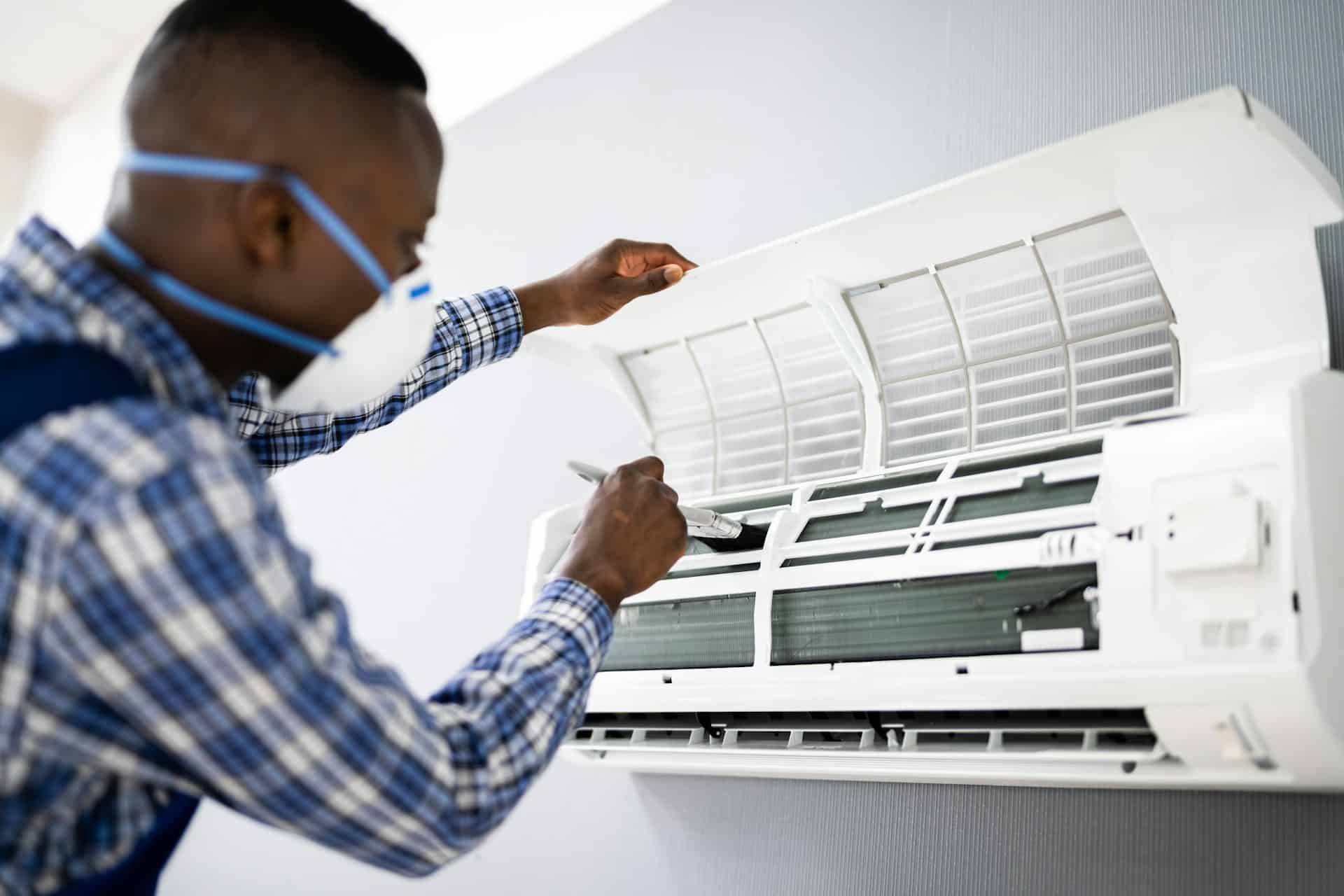
As spring begins to warm things up across Gilbert and Mesa, it’s easy to forget about the garage when thinking about indoor comfort. But for many Arizona homes, the garage hits some of the highest indoor temperatures of any space. That makes having a working garage air conditioning system more than just a bonus, it’s a big part of keeping your home livable. Whether you spend a lot of time in the garage or just use it for storage, a poorly performing unit can lead to discomfort and heat damage before summer even starts.
Spring is a smart time to handle problems that may have built up over the quieter winter months. Since the unit probably hasn’t run much, small warning signs often get ignored. Catching those signs early can keep repairs simple and keep the space ready before the hotter weather moves in.
Strange Sounds Coming From the Unit
When a garage AC unit is working like it should, it runs quietly. That’s why unexpected sounds are often the first clue something’s starting to go wrong. You might notice a clicking noise when the system tries to turn on or a humming that wasn’t there last season. Sounds like these usually don’t go away on their own.
- Rattling may mean a loose panel, broken fan blade, or a part that’s shifted out of place
- Buzzing can point to electrical issues or a failing motor
- Squeaks may mean something simple like a belt wearing out, but they still need attention
It’s best not to wait and see if the noise gets worse. If anything, these kinds of sounds tend to get louder as the damage builds. A silent unit is usually a good sign, so when the sound changes, it’s worth taking a closer look.
Air Feels Lukewarm or Weak
Another common red flag is when the garage just doesn’t feel as cool as it used to. If you’ve flipped on the unit and let it run for 15 or 20 minutes without a noticeable change, that’s a problem. Cold air should be steady and strong enough to make a difference. If the airflow is low or the air coming out feels warm, something’s off.
Common reasons for this include:
- Ductwork that’s blocked, kinked, or leaking
- A condenser that can’t complete its cooling cycle
- Fan issues or a dirty filter slowing down circulation
Refrigerant problems can also be a factor. When the AC doesn’t have what it needs to cool properly, the garage stays stuffy no matter how long it runs. Also, sometimes a coil inside can freeze up or get too dirty, hurting its ability to produce cool air. If you find yourself fiddling with the thermostat or standing in front of the vent to try and feel something cooler, the unit may need repair. Addressing this as soon as you notice it can make the fix much less complicated and keep your garage comfortable as the season warms up.
Unusual Smells From Vents
Smells aren’t something you’d expect from a system that’s been off all winter, so it can be a surprise when spring startup comes with bad odors. Some smells are just leftover dust burning off that clears in a few minutes. But others are signs of bigger problems.
- Musty or damp smells might point to mold hiding inside the unit or near moisture that built up during the off-season
- A burning smell can mean an electrical part is overheating or wiring is damaged
- Sour or sharp smells could mean something has settled into the ductwork or unit since it was last used
Because most garages in Arizona are closed up tight at night, any smells get trapped and pulled into the rest of the home. If your AC kicks on and you notice a smell right away, don’t ignore it. It’s usually a sign that something inside the system needs cleaning, repair, or replacement.
If the strange odor seems persistent even after a few minutes, it could be a sign that bacteria or mold are growing somewhere inside the system. These problems don’t just affect the air in your garage; they can work their way into the rest of the house, especially if you use the garage as a workshop or hangout space. By catching these smells when they first appear, you help prevent air quality issues before they get worse.
Sudden Spikes in Energy Bills
Most people expect their energy costs to rise during summer. But when bills start increasing in spring with no obvious reason, it’s a clue that the garage AC system might not be running as efficiently as it should.
- Airflow blockages force the unit to work harder just to move cool air
- Worn parts like motors or thermostats can cause the system to run longer than needed
- An older or neglected system may use extra power to deliver less comfort
If you’ve kept your usage the same but costs jump anyway, it might be time to look at how the garage air conditioning system is performing. Catching energy waste early keeps the summer bills from creeping even higher.
If you notice your bills are quickly rising and nothing about your usage has changed, a tune-up could be the answer. Regular garage AC care often helps uncover hidden issues, like blocked coils or a clogged filter, that slowly drain extra energy from your system. Fixing those problems in the spring protects you when the summer heat is at its peak and your system has to work the hardest.
Unit Turns On and Off Too Often
Another easy-to-miss problem appears when the AC keeps starting and stopping over and over. This is called short cycling, and it wears down parts faster than normal. It also means the garage never reaches a steady temperature, especially if the days keep heating up.
Short cycling often connects to:
- A thermostat that isn’t reading temperatures correctly
- Overheating due to dust, old wiring, or blocked vents
- An oversized system that cools too quickly and shuts off before finishing the full cycle
The constant biting on and off isn’t just annoying. All that stopping and starting shortens the lifespan of a unit. If it feels like the system never runs for long but still doesn’t cool anything, something is definitely wrong.
Sometimes, short cycling can also point to a refrigerant problem or a dirty coil. If the unit can’t pull enough heat out of the air, it shuts off and restarts again right away. This not only hurts comfort but can damage key parts of your system over time. If you hear that telltale clicking on and off or your garage is never quite cool, a quick visit from a tech can make all the difference.
Stay Comfortable and Catch Problems Early
When a garage air conditioning system shows signs like noise, low airflow, odd smells, or quick cycling, it’s not just being quirky. These are early warnings. Left alone, they almost always turn into something more expensive and frustrating. That space might not seem as important as the living room or bedrooms, but it still matters.
We’re moving into a warmer time of year here in Arizona, and it doesn’t take long for a garage to turn into a hotbox. Paying attention to signs now helps avoid discomfort and stress later. Whether you park your car inside or use the garage for projects and storage, having controlled cooling keeps everything working a little better. Small problems are easier and quicker to fix when we catch them early, and spring gives us the best time to do it.
As experts in garage air conditioning maintenance and repair, JLM Air Conditioning and Heating offers diagnostic service, repairs on all major brands, and ongoing tune-ups to keep your system running strong in Gilbert. We help you address issues before they turn into larger repairs that threaten the comfort of your space.
Noticing strange noises, weak airflow, or odd smells from your garage’s air conditioning system in Gilbert or Mesa? These could be early warning signs of a bigger issue. At JLM Air Conditioning and Heating, we help you avoid costly repairs and keep your garage comfortable all summer long with regular garage air conditioning maintenance. Call us today to schedule your next service.