
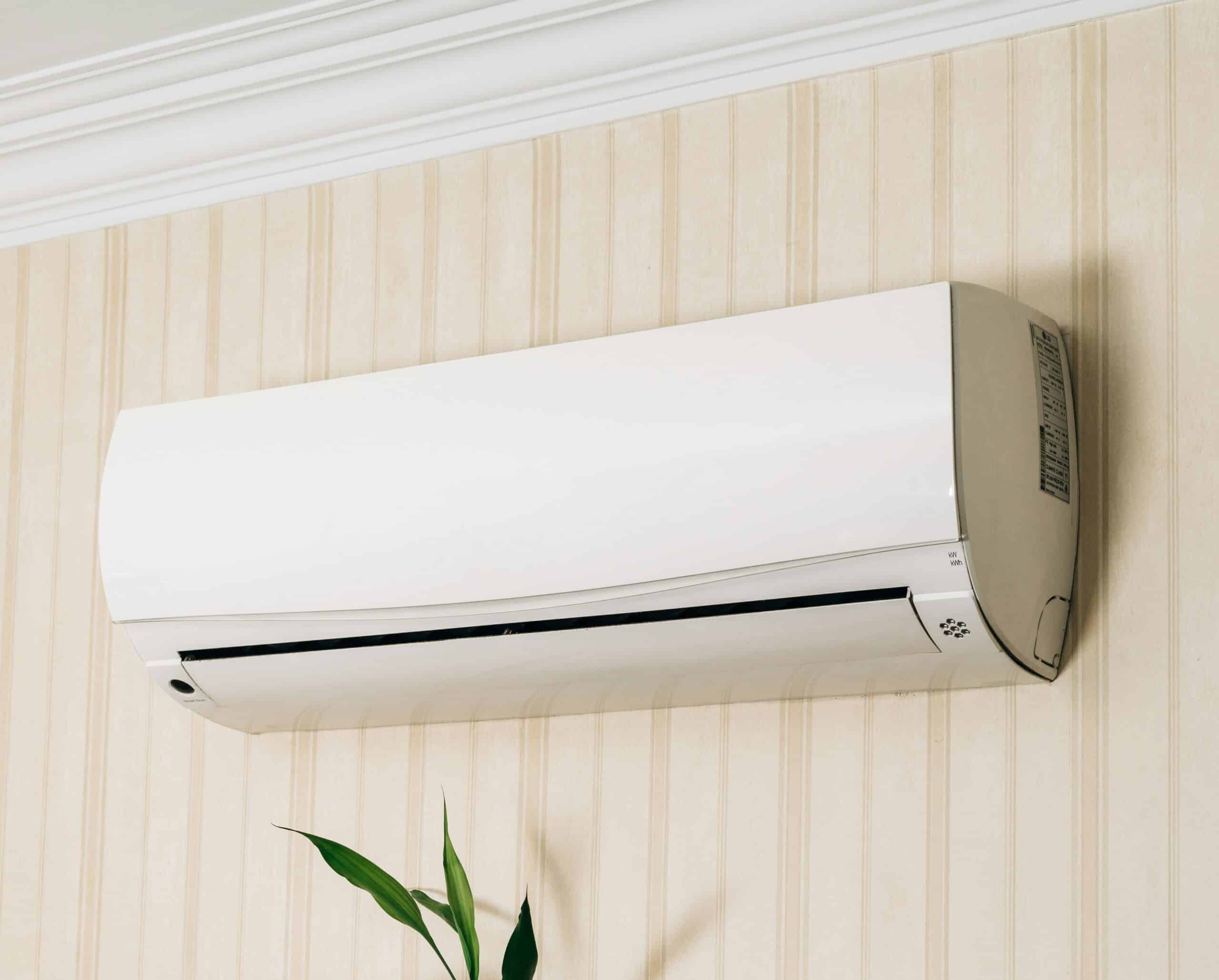
With Arizona summers getting hotter each year, more homeowners are looking for ways to make use of their garages without sweating through the heat. Whether it’s a home gym, workshop, or just a spot to cool down in the afternoons, adding a mini split system can make that space far more comfortable. We’ve seen a growing demand for garage mini split installation in Gilbert, especially as people look for energy-efficient ways to manage indoor temperatures during the summer stretch. If you’re planning to upgrade your garage with one of these systems, here’s what to expect from start to finish.
Pre-Installation: Planning and Prep
Before a single tool comes out, we spend time getting familiar with your garage setup. Not every space is the same, and what works in one home might not work in another. That’s why we look at several important things during the assessment stage.
- Room size and layout help us find the right unit size for the space
- Insulation levels show how well the space will retain cool or warm air
- Windows, doors, and exposed walls can affect how heat moves in and out
We also check for electrical readiness. Mini splits need a dedicated circuit, so we look at the panel and make sure it can support the extra load. Another piece of the planning step involves where we’ll mount the units. Whether it’s high on a back wall or tucked near the ceiling, location matters for both airflow and system performance. Once we’ve got a clear plan, we schedule the install and walk through the steps with you.
JLM Air Conditioning and Heating provides garage mini split installations with complete system sizing, insulation review, and code-compliant electrical setup for all major brands in Gilbert.
What Happens on Installation Day
On the day of the install, we show up ready and prepared. One of the first things we do is protect your floors and work surface. Then we confirm access to the attic, side yard, or anywhere we might need to pass wires or refrigerant lines. We also take a moment to review the full plan again before getting started.
Once prep is done, we begin mounting the indoor unit inside the garage. That involves drilling a small hole to pass the refrigerant and power lines through. We line everything up so the hole is clean and sealed when finished. Outside, we place the condenser unit, usually on a concrete pad or wall-mounted bracket, and hook it up to the lines running from inside.
Garage types and setup vary, but full installation usually takes a few hours. Larger or more complex garages might take longer, especially if we need to drill through brick or cement block walls.
Connecting Power and Running the Lines
Safety is a priority when it comes to power connections. All electrical work follows local codes, and we make sure the system has the circuit protection it needs. We also check grounding and proper breaker size at the panel.
Next, we run the refrigerant lines, drainage tubing, and electrical wiring between the indoor and outdoor units.
- Lines are routed through walls, attic spaces, or trim channels to keep them tucked out of sight
- We weather-seal any openings to keep out dust, heat, or moisture
- Foam insulation is added to protect the lines from high summer heat in Arizona
Some older garages don’t have drywall or ceiling panels, so we adjust our approach depending on the structure. Clean line placement helps keep the system efficient and looking tidy.
Final Steps and System Testing
Before we leave, we take time to check that everything works like it should. We test the airflow from the indoor unit and make sure it cools evenly and quietly. We also confirm that the remote control works and that all the system settings are easy to use.
During testing, we look for:
- Balanced air blowing from the indoor unit
- Outdoor unit running smoothly with no odd noises
- Refrigerant pressures and temperatures where they should be
- Drainage flowing properly with no leaks
We then walk through the system with the homeowner, showing how to change modes, adjust fan speed, and set timers for energy savings. We answer any questions about daily use or seasonal care. Finally, we clean up all supplies, packaging, and dust so your garage is left as neat as we found it. Any warranty paperwork and registration details are explained before we go.
Cool and Comfortable in Your Own Garage
Garage mini splits deliver year-round control over a space that often gets overlooked when it comes to comfort. These systems allow you to use the garage not just for storage, but as a working part of your home. Once summer arrives in Gilbert, you’ll feel the difference quickly. With less noise and no ductwork needed, mini splits make it easier to upgrade your space without major changes to the house.
A well-done garage mini split installation in Gilbert adds comfort without getting in the way of how you use the space. Whether your system is small or large, simple or custom-fitted, it starts with a clean plan and ends with reliable, managed airflow. That kind of setup lets you enjoy fresh air in a space that stays useful all year long.
Keeping your garage’s climate control system running at its best takes more than just the initial install. Regular service helps your system handle the summer heat and stay efficient year-round. We always recommend that you pair any new setup with ongoing care to maximize its performance. JLM Air Conditioning and Heating offers maintenance and tune-ups for all mini split brands and installs in Gilbert. Whether you’ve already scheduled a garage mini split installation in Gilbert or you’re still exploring your options, contact JLM Air Conditioning and Heating to book your next maintenance checkup.