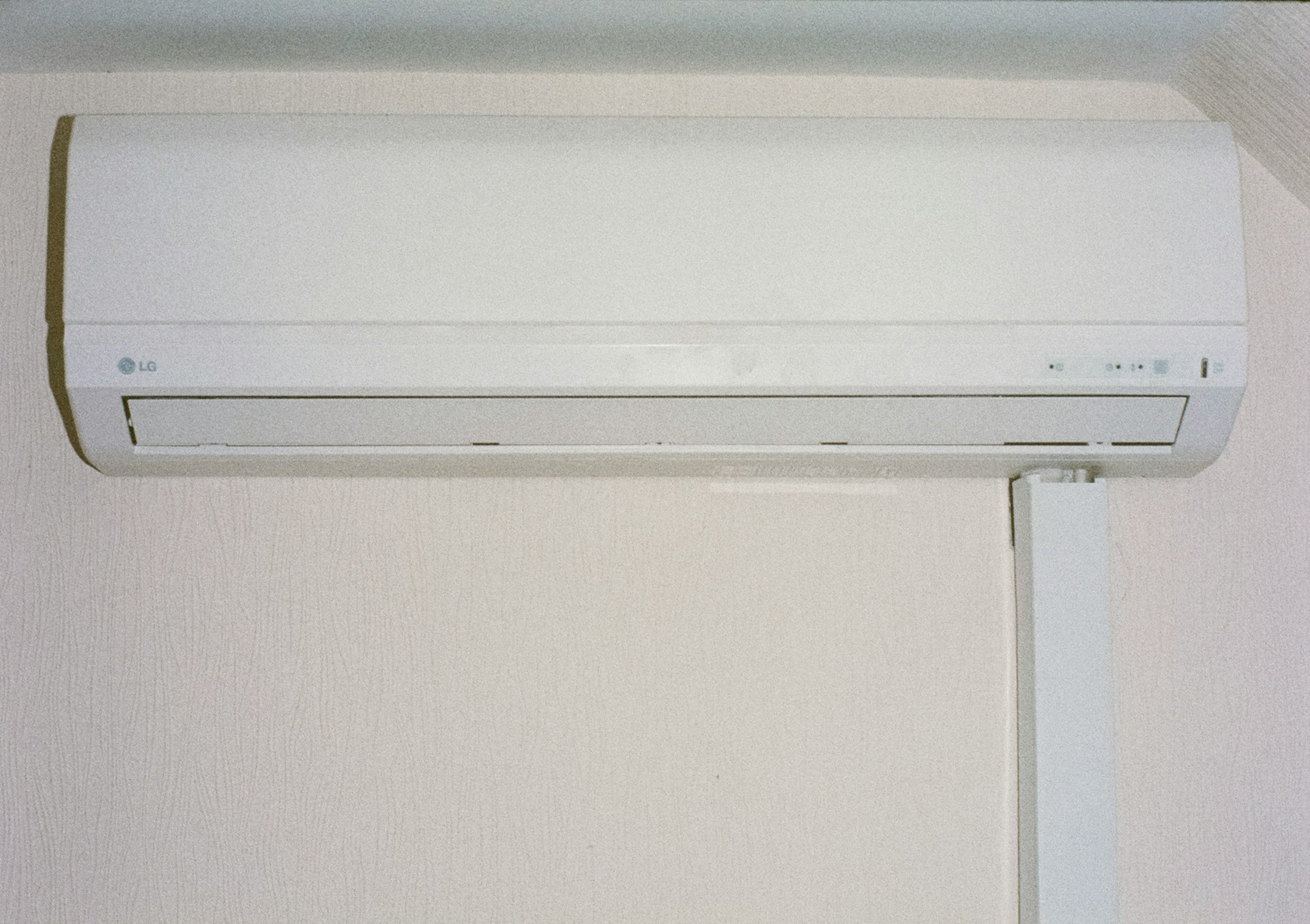

Mini split systems are known for being reliable, quiet, and energy-efficient. But like any heating or cooling equipment, they need regular maintenance to keep running the way they should. These systems work hard year-round in Gilbert homes, especially with how long and hot the summers get. A tune-up might not be the most exciting thing on your calendar, but skipping it can lead to bigger problems later on.
If you’re scheduling a mini split service visit for the first time, or just want to know what happens during a tune-up, it helps to know what to expect. A service visit can catch small issues early, extend the life of your system, and make sure everything is running safely and efficiently. Here’s a breakdown of what usually happens at a service appointment in the Gilbert area, and how you can be ready when your technician arrives.
Scheduling and Preparing for Your Appointment
Getting on the schedule for a mini split tune-up is a pretty straightforward process, but there are a few things to think about beforehand. Scheduling early in the season is usually a good idea because appointment slots fill up fast once summer hits. It’s best to plan a visit before it gets really hot out, so your system is in top shape for the months ahead.
When you book your appointment, try to give as much detail as possible about your system. The technician will want to know how many indoor and outdoor units you have, how old the system is, and whether you’ve noticed anything out of the ordinary. Sometimes, an odd noise or a slight drop in cooling power can be a clue that something needs attention.
Before the day of your appointment:
– Clear a path to both the indoor and outdoor units. This helps your technician move around safely and get to work faster.
– Take note of any changes in how your mini split has been working. Keep track of things like weird smells, noises, or a room that feels warmer than it used to.
– Make sure pets are secured so the technician can work without distractions.
– Keep remotes or system controls accessible. These are often used to run tests or adjust various settings during the visit.
Having this stuff ready means the technician can focus entirely on inspecting and servicing the system without delays. It also helps make the most out of their time during the visit, so you can get back to your day quicker and with peace of mind.
Initial Inspection and Assessment
Once the technician arrives, they’ll typically start with a full inspection of your mini split system. They’re looking for anything that might signal wear or trouble ahead. Even newer systems can develop issues like loose wiring connections, clogged filters, or outdoor units filled with leaves and debris.
This early assessment sets the tone for the entire visit. It gives the technician a solid understanding of how your system is performing and whether any repairs might be needed. They’ll check all major components, both inside and out, including:
– The air handlers indoors
– The condenser unit outside
– Wiring and electrical connections
– Drain lines and insulation
– Mounts and positioning of each unit
Don’t be surprised if they ask about your home’s cooling habits. Things like how often you use the system or if you run it in heating mode during the winter months can offer clues into the kind of stress it’s been under.
If something’s not working like it should, the technician will explain what they found and let you know if it’s something that can be fixed during the same visit or if it needs a follow-up. Even issues that seem small, like a noisy fan blade or a filter that hasn’t been replaced in a while, can affect how well the system works in the long run.
One example we’ve seen in Gilbert is homes where the indoor unit is doing most of the hard work because it’s in a room that gets afternoon sun all year. When that unit starts slowing down, the whole home can feel warmer, even though the system is technically still running. Getting ahead of that with a thorough check makes a big difference.
Comprehensive Cleaning and Maintenance Tasks
Once the inspection is done, the technician moves on to cleaning and maintenance. This is where your mini split gets the refresh it needs to stay efficient through the seasons. Filters are usually the first thing checked. If they’re clogged or covered in dust, airflow drops and the system works harder than it should. Most filters can be cleaned, though sometimes they need replacing.
Coil cleaning is another important step. The coils inside your mini split pull heat from the room or release it outdoors, depending on the setting. But if they get covered in grime, they can’t do their job well. Cleaning them helps maintain steady temps and cuts down on unnecessary wear.
The technician will also check the drain lines. These carry moisture away from the system, but they can get blocked with debris or even algae build-up. If that happens, water can back up, sometimes causing leaks or musty smells around the unit.
Another important part of the tune-up is checking refrigerant levels. If the refrigerant is low, your system might still blow air, but it won’t cool properly. Running the unit that way for an extended time can strain the compressor. The tech uses gauges to check the pressure and make sure it lines up with the system’s specs.
Other general tasks covered in this step include:
– Looking for any loose electrical connections
– Inspecting fan blades for wear and making adjustments if needed
– Calibrating the thermostat so temperature settings are accurate
– Checking for odd noises during operation that could point to a part wearing out
– Making sure all vents and units are clean and unobstructed
This stage gives your system the reset it needs after months of regular use. It also gets it ready for the upcoming changes in weather that might be coming your way.
Final Checks and Recommendations
Once the cleaning and tune-up tasks are finished, the technician will run your mini split through a few final checks. These tests help make sure everything functions as it should before they leave. They’ll likely run the system in both heating and cooling modes to see how it responds. They’ll also listen for any new sounds and watch for temperature changes at the indoor units.
The tech might monitor system pressures again once the unit has been running for a bit. If they adjusted refrigerant or replaced a part, this lets them confirm it’s working correctly under normal load. Some technicians may even use thermal sensors or handheld tools to check for temperature differences that aren’t visible to the eye.
In a lot of cases, everything checks out, and the visit wraps up with a quick summary. But if they see something that might become a bigger issue later, they’ll probably mention it and suggest repairs or a follow-up. Examples include a fan motor that’s starting to slow down or a drainage line that looks worn. These are small things at first, but dealing with them early can prevent unexpected problems when the system is under heavy use.
This is also a good time to ask questions. If there’s anything you’re unsure about like how long a filter should last or why one room always feels warmer than others, the technician can give you clearer answers based on your specific setup.
Keeping Your Mini Split Ready for Arizona Weather
Regular service visits can make a big difference in how your mini split system runs through the year. Besides helping it last longer, a well-maintained system handles temperature shifts more smoothly. You get consistent comfort without your unit having to work overtime. Small tune-ups twice a year are usually enough to keep most systems in solid shape, especially before the longest cooling periods in Gilbert.
When your mini split is clean and tuned up, it also runs quieter and uses less power. These are the kinds of things you’ll probably notice without even looking for them. And if problems do pop up down the line, catching them early is a lot less stressful than waiting for your system to stop working in the middle of a summer day.
Scheduling your next mini split service visit is one of the easiest ways to avoid breakdowns and keep your home in Gilbert cool and comfortable all year. By staying on top of inspections and cleanings, you’ll get more reliable performance and fewer surprises from your HVAC system.
Regular maintenance keeps your mini split working the way it should no matter the season. If you’re looking to stay ahead of wear and tear, scheduling a mini split tune-up in Gilbert can help you get the best performance out of your system. JLM Air Conditioning and Heating is here to make sure your comfort never takes a back seat. Reach out today to set up your service appointment.