
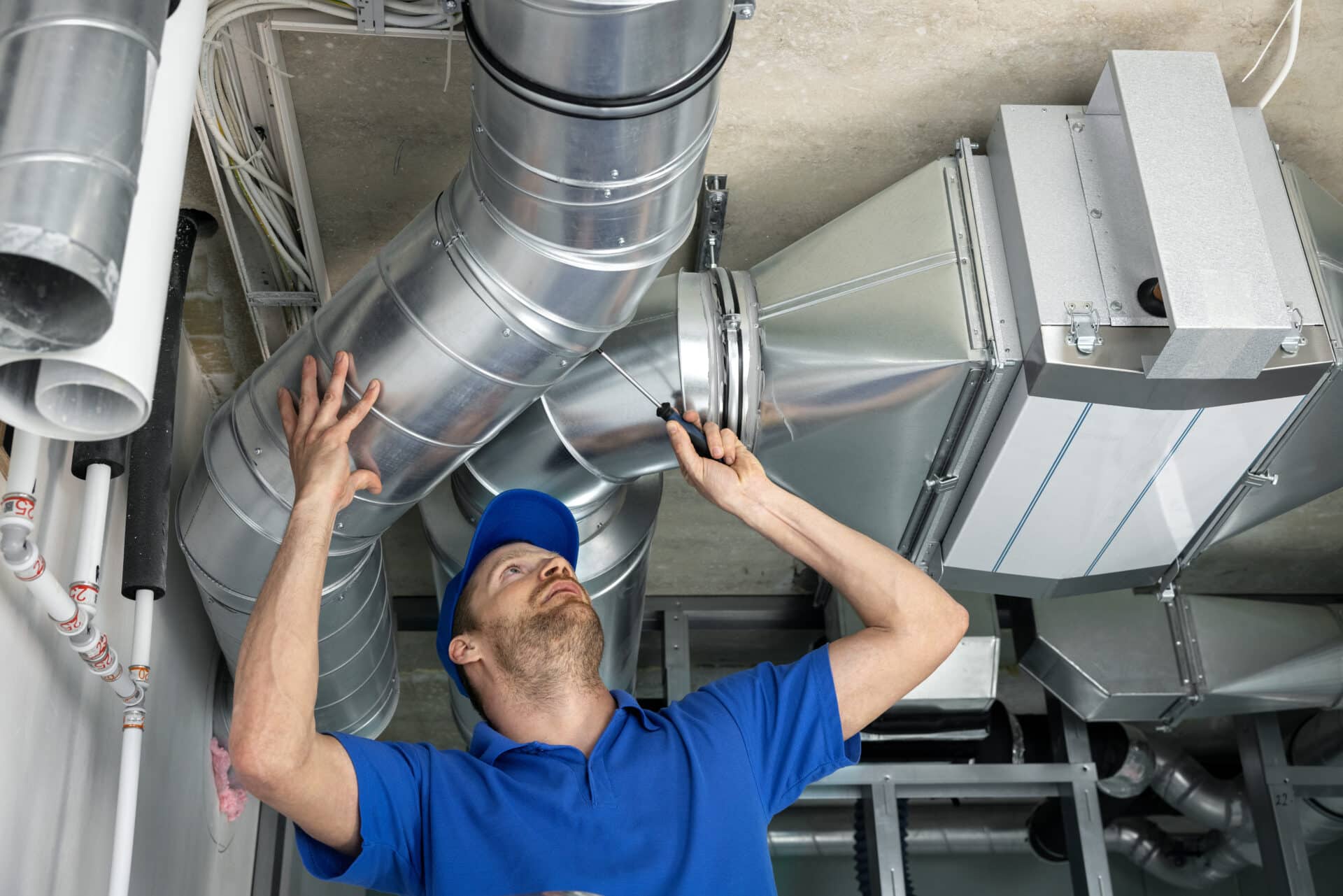
I used to think air just moved naturally around the house. Open a window, turn on a fan, and that’s that, right? But I quickly learned that real air circulation, especially in modern homes, doesn’t happen by chance. It needs a proper system behind it. That’s where ductwork comes in. If you’re building a new home or upgrading your current one, ductwork installation is one of those behind-the-scenes jobs that makes a big difference. It controls how air flows, keeps temperatures even, and helps your heating and cooling system work efficiently. In this guide, we’ll walk through what air ducts actually do, the types you can choose from, how installation works, and when it’s best to call a professional.
Let’s get started.
What Is Ductwork and How Does It Work?
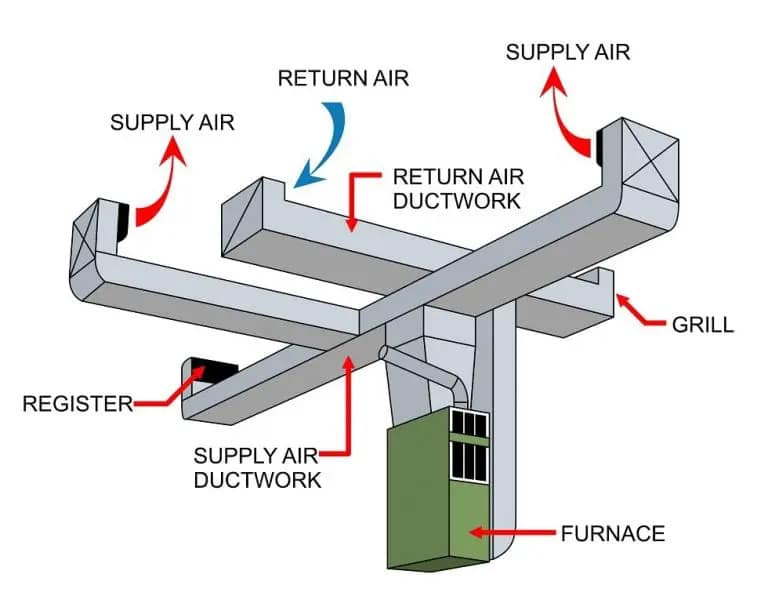 Credit: supertechhvac.com
On your home-building journey, several new terms are introduced, and ductwork is probably one of them. So, if you’ve ever wondered, “What is ductwork made of?” Think of your home’s ductwork as a hidden pathway that delivers heated or cooled air throughout the house. No matter if it’s a hot summer day or a chilly winter evening, your HVAC system pulls in returned air, treats it, and sends it back through a network of air conditioning ducts.
Here’s how air duct design works in a nutshell:
- Returned air is pulled in through vents.
- It travels to the air handler or furnace, where it gets heated or cooled.
- That conditioned air is then pushed through supply ducts and into your rooms.
Efficient ducting installation is essential to make sure every room gets the right temperature, without energy waste.
Types of Ductwork Explained
Now we will talk about various types that one should know when installing ductwork. There are several types of air ducts to choose from when planning your HVAC duct installation. Each one has its pros and cons depending on your home’s layout, energy goals, and budget. Let’s break them down one by one:
Sheet Metal Ducts
This is the first type and the most common one. If you’re going for strength and cleanliness, this one’s a classic.
These are a very common type of rigid duct, typically made from galvanized steel or aluminum.
- Durable, fire-resistant, and smooth, making them easier to clean.
- Popular in central air ductwork systems.
Flexible Ductwork
Next are flexible ones. Well, you can think of these as the bendy straws of the duct world; great for tight spaces. Made with a springy steel wire coil, plastic cover, and insulation.
- Best for tight or awkward spaces.
- Needs careful ducting installation to avoid sagging, which can cause heat loss and poor airflow.
Fiberboard Ducts
Hear me out, if insulation is your top priority, fiberboard might be your go-to. These are constructed from compressed fiberglass covered in foil.
- Excellent insulation, but may trap dust or moisture over time.
- Works well in heating and cooling ductwork systems.
Fiberglass Lined Ducts
If you are sensitive like me, then these ducts are for you. Ideal for noise control, especially in commercial spaces. These are metal ducts lined internally with fiberglass to reduce sound.
- Often used in commercial HVAC systems to reduce noise.
- Require regular air duct cleaning to prevent buildup.
Knowing the types of HVAC fittings and HVAC duct types available can help you choose the right one for your setup and avoid costly changes later on.
What Makes Up a Duct System?
No matter if you’re looking at residential or commercial HVAC duct installation, the system includes several core parts:
- Supply ducts – These ducts push heated or cooled air into the rooms.
- Return ducts – And now, these ones, as the name suggests, pull returned air back to the system.
- Air vents/registers – Where air exits into your space.
- Plenums – Act as hubs where air collects before distribution.
- Dampers – Well, the dampers adjust airflow across different zones.
- Boots – Connect the duct to your vent cover.
- Air handler – The machine that moves the air around.
Each part works together to keep your AC or heating system running smoothly. A well-planned air duct design makes a huge difference in overall performance.
Step-by-Step Guide to Ductwork Installation
Credit:creeksidemetalsolutions.com
Now comes the main task: ductwork installation. A proper HVAC duct installation is a little more complex than just tossing some tubing in the attic and calling it a day. It’s a full-on strategy. Here’s how the pros tackle it, step by step:
Designing the Layout
First things first: airflow math. You need a proper plan for seamless flow.
A technician will walk through your home and figure out exactly how much air each room needs. Then they map out the best air duct design, including vent placement, duct size, and what type of duct works best where.
It’s basically like making a custom road map for your air. Does it seem like a task? Don’t worry, with JLM air conditioning and heating services, it doesn’t have to be. Our experts are pros at installing ductwork in your space without any additional costs. So, talk to us and we’ll get the job done in no time.
Choosing the Materials
Once the plan’s in place, it’s time to choose your gear. Depending on the layout and energy goals, the tech will pick the right HVAC duct types maybe sheet metal ductwork for durability or flex ducts for tight spots. It’s all about choosing what works best for your home and your budget. There’s technicality here and expert will take care of it.
Installing the Trunk and Branches
Here’s where things start coming together. The trunk line acts like the main highway that carries most of the air. From there, branch lines run off into individual rooms.
Each connection has to be snug, sealed tight, and installed at just the right angle. One loose joint? That’s a recipe for uneven temps and wasted energy.
Sealing and Insulating
Now let’s talk about the behind-the-scenes. Every seam gets sealed up using professional-grade mastic or foil tape (not the stuff you grab at the hardware store). Then, if the ducts run through attics, crawlspaces, or garages, they get wrapped with insulation to prevent heat loss or moisture problems. Think of it like putting a jacket on your air highway.
Testing the System
You are almost there. It’s testing time. The pros run your HVAC system and check the airflow in each room. They look for leaks, pressure issues, or spots where the air conditioning ducts might not be pulling their weight.
The goal? Balanced air, every room, no cold corners.
That’s how great air duct installation happens, step by step, with thought, skill, and a little bit of HVAC know-how. When done right, you’ll barely notice your system at work… but you’ll definitely feel the difference.
Common Problems in Duct Systems (And Fixes)
Credit: ductsquads.com
Nothing is perfect. So, even the best systems run into issues. Here are some common headaches and how to deal with them:
Leaky Ducts
It might seem like a small issue but it’s a big one.Air escapes through cracks and gaps. You lose conditioned air and money.
Fix: Seal with mastic or call for professional ducting installation or repair.
Low Airflow
It is often caused by crushed flexible ductwork or blocked vents.
Fix: Inspect and straighten out the ducts. Replace if needed.
Noise Issues
Whistling or banging sounds may come from undersized or loose ducts.
Fix: Add dampers or resize the ducts to fit airflow needs.
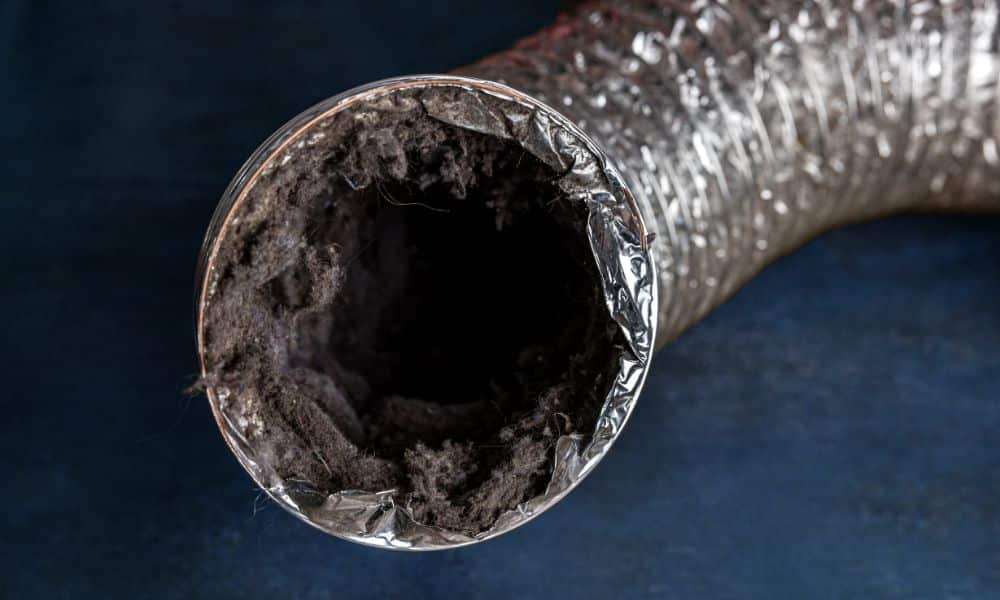
Dust and Mold
This culprit destroys the HVAC system if not checked properly, and so is the case with ducts. Especially in fiberglass-lined or fiberboard ducts, where buildup is common.
Fix: Schedule routine air duct cleaning and use high-quality filters.
When to Call in the Pros
Some jobs are worth a DIY try. Ductwork installation? Not usually one of them.
Here’s when you should get expert help:
- You’re building or renovating a home.
- Rooms are uneven in temperature.
- You suspect mold or smell musty air.
- Your heating and cooling ductwork hasn’t been inspected in years.
- You want a more energy-efficient AC or HVAC system.
A licensed contractor understands HVAC air duct design, proper ducting installation, and code requirements. That means safer, cleaner air and lower energy bills.
Need help from professionals you can trust? JLM Air Conditioning and Heating is here to help, from custom design to flawless installation. Schedule a call now.
In a Nutshell
As we come to the end of this discussion, your air ducts may be hidden, but their impact is loud and clear. Poor air duct installation leads to uneven temperatures, dirty air, and rising bills.
The good news? Whether you need a full ductwork installation or you’re just looking to upgrade your old metal ducts, a well-planned HVAC system can change how your home feels year-round.
And if you’re ready to breathe easier, save money, and enjoy total comfort, JLM Air Conditioning and Heating is just a click away.