Garages here in Arizona are more than places to park your car. A lot of people use them as home gyms, hobby rooms, or even extra storage space. As things start to heat up in early spring, it’s natural to think about ways to keep that space more comfortable. That’s where the idea of a garage air conditioner comes in.
But before plugging in a unit or mounting something on the wall, it’s worth asking a simple question, can a regular AC actually work in a garage? Not every setup is right for one, and forcing it can lead to problems that end up making things worse.
Garages aren’t built like the rest of your home. They often lack insulation, proper airflow, or enough power to run heavy appliances. If a space isn’t prepared, the result could be poor performance, wasted energy, or even damage to your equipment.
Can a Regular AC Unit Work in an Uninsulated Garage?
If your garage in Gilbert doesn’t have insulation, it’s going to heat up fast, especially by midday. Unlike other rooms in your house, garages usually have concrete walls, no ceiling barriers, and a large metal door that acts like a heat sponge. Once it soaks in that afternoon sun, your garage can turn into an oven.
Now think about putting a regular AC unit in that space. It will work overtime trying to cool a room that barely holds its temperature. Since there’s nothing to slow down the heat buildup, the unit won’t get much of a break.
When insulation is missing or thin, here’s what tends to happen:
- The AC cycles more often, which wears down the motors and fan blades faster
- It pulls more electricity trying to cool a space that can’t stay cool
- The room still feels warm, so it never really solves the comfort issue
Before choosing an air conditioner for your garage, take a good look at the walls, ceiling, and door. If insulation isn’t there, even a high-powered unit may struggle to make a difference.
Why Ventilation and Airflow Matter
Cooling isn’t just about dropping the temperature. It’s about keeping air moving so the space doesn’t feel stiff or stale. That’s where a lot of garages fall short. Many have no windows, no vents, and minimal airflow.
If air can’t move freely, it gets trapped and starts building up heat, odors, and pressure. This can impact the performance of any AC system. Regular units rely on well-balanced air movement, and they’re not made to work in sealed-up spaces or ones where airflow is unpredictable.
A few more things to think about:
- Garage doors open and close often, so temperature changes quickly
- Gas-powered tools or work materials can release exhaust or fumes
- Trapped air will push back on your AC, making it harder to maintain airflow
To help a system run safely and smoothly, it’s smart to think through how fresh air gets in and how warm air gets out. Without that setup, airflow stays unbalanced, and cooling won’t be steady.
Electrical Load and Space Limitations
A typical garage isn’t wired the same way your main living space is. That matters when it comes time to run more than just a power tool or garage light. If you’re thinking about plugging in an air conditioner, make sure the outlet you’re eyeing can actually handle the load.
Many garages share circuits with other parts of the house. Flipping a breaker might be your first clue that something isn’t right. In older homes, outlets may not be grounded, or there might be only a single line powering the whole space.
Here’s what can go wrong with a rushed AC setup:
- Overloaded circuits that trip when the AC turns on
- Extension cords that overheat and become fire hazards
- Units placed too close to walls or tools with poor air clearance
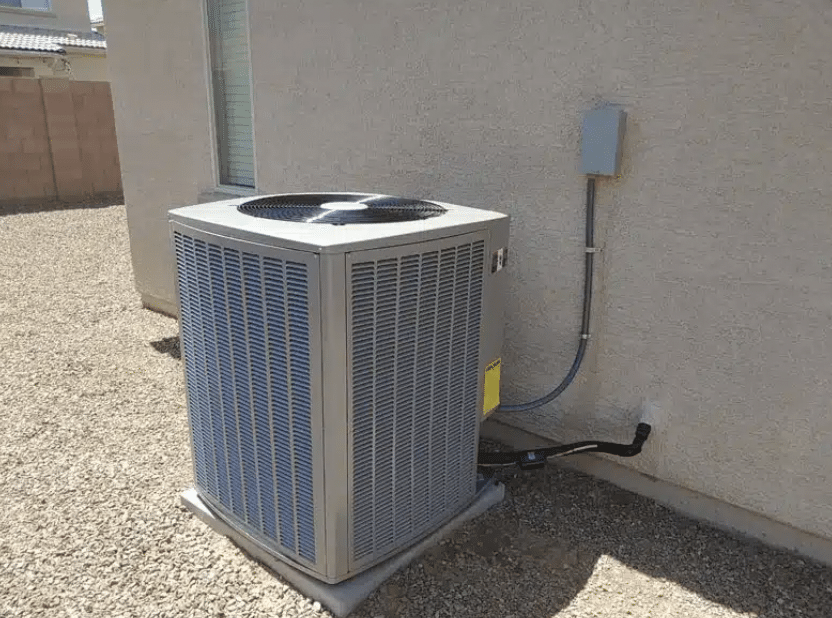
Garage layouts are tight, and it’s easy to forget that ACs need room to breathe. Every side of the unit needs clearance so air can flow in and out freely. Without it, performance drops and parts wear out fast.
Room Usage and Comfort Expectations
The reason you’re cooling a garage matters. If you’re just parking the car and grabbing tools once in a while, you probably don’t need the same cooling setup as someone turning their space into a home gym or office.
Higher usage means higher expectations. If you’re spending hours in the garage every week, comfort starts to matter a lot more. That’s where a regular AC may fall short.
Think about how the space feels when:
- Humidity builds in the air from exercise or weather shifts
- Direct sunlight hits the garage door and creates a hot zone
- Tools, gear, and electronics add to the overall heat load
Arizona garages heat up fast, even early in the year. Getting the temperature to feel stable and comfortable takes more than just installing a wall unit and calling it a day. You’ll want to consider comfort depth, how cool should it feel, and how long will the cooling need to last.
Safer, Smarter Options to Consider
If a regular AC doesn’t seem like the right fit, there are other ways to cool down a garage safely and effectively. The right option depends on what your garage looks like today and how you plan to use it over the next few months.
Some options worth evaluating:
- Mini-split systems, which don’t need ductwork and can handle tough temperature swings
- Evaporative coolers for Arizona’s dry air, though they work best with some fresh airflow nearby
- Upgraded insulation and weather sealing, which help keep the cooled air in place
- Ventilation fans, installed in walls or ceilings, to remove hot air and bring in new air
All of these require good planning. Before bringing any new equipment into the space, have a professional review the garage’s power setup, airflow, and thermal load. That step helps you avoid spending on something that doesn’t work the way you hoped.
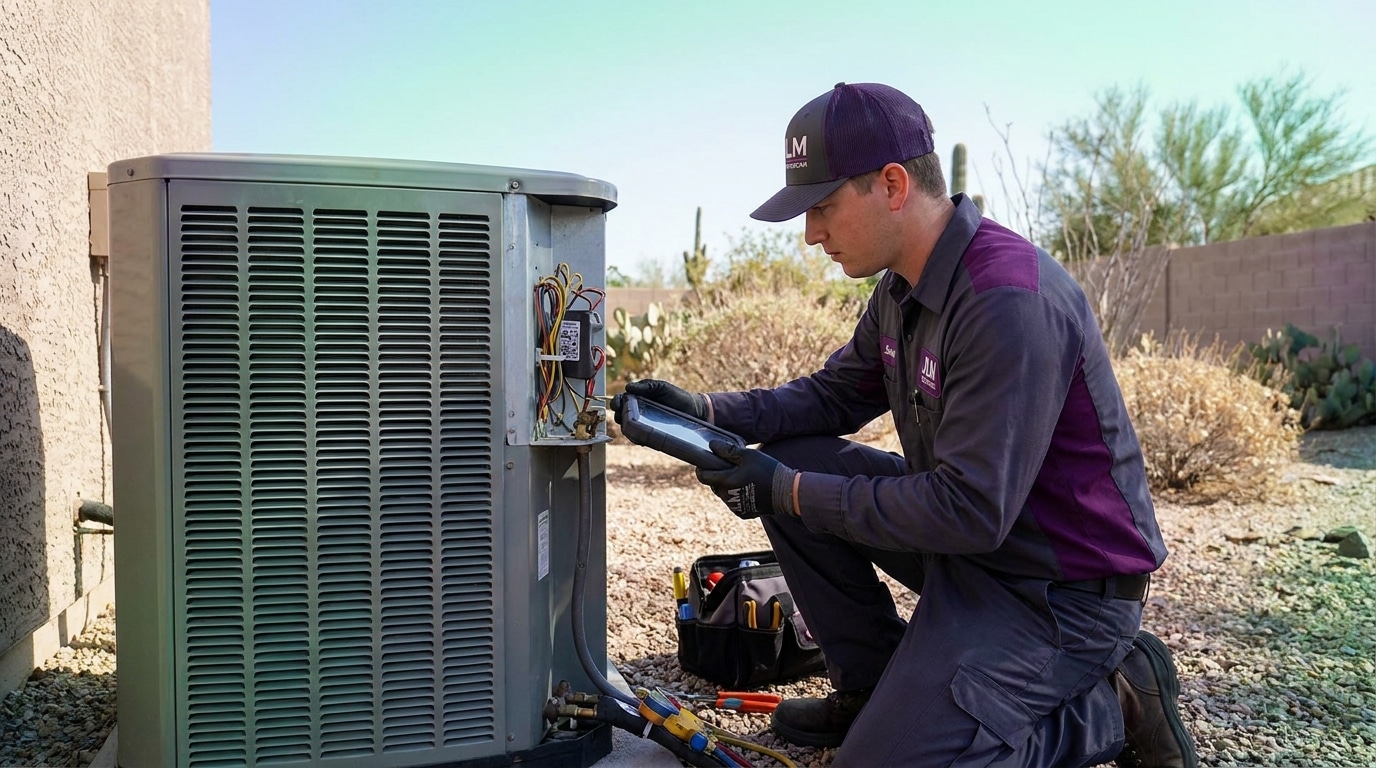
JLM Air Conditioning and Heating provides expert guidance for homeowners in Gilbert by assessing garage structure, recommending the right solutions for airflow and cooling, and ensuring all installations meet local codes and safety standards.
Making Your Garage Work for the Long Hot Months Ahead
A regular air conditioner might feel like an easy fix when that first blast of spring heat hits, but garages weren’t made with indoor comfort in mind. They need more support before they’ll hold the cooler air you’re used to inside your home.
By thinking through how the space is built, how it’s used, and what kind of airflow or power access it has, you stand a better chance of setting things up right the first time. A setup that works for spring will hold up better when summer sets in and Arizona heat kicks into high gear. Smart planning now makes those hot months ahead a lot more manageable.
Keeping your garage cool during the spring and summer in Gilbert takes careful planning, especially if you’re relying on a standard unit that might not be up to the task. From airflow and insulation to electrical considerations, every detail matters. Thinking about adding a garage air conditioner in Gilbert? At JLM Air Conditioning and Heating, we’re here to help you create a setup that delivers lasting comfort. Call us today to discuss the best options for your space.